the bad case of the uglies (or Freedom and Abstraction? Keep Your Shadow in a Heavy Coat?)
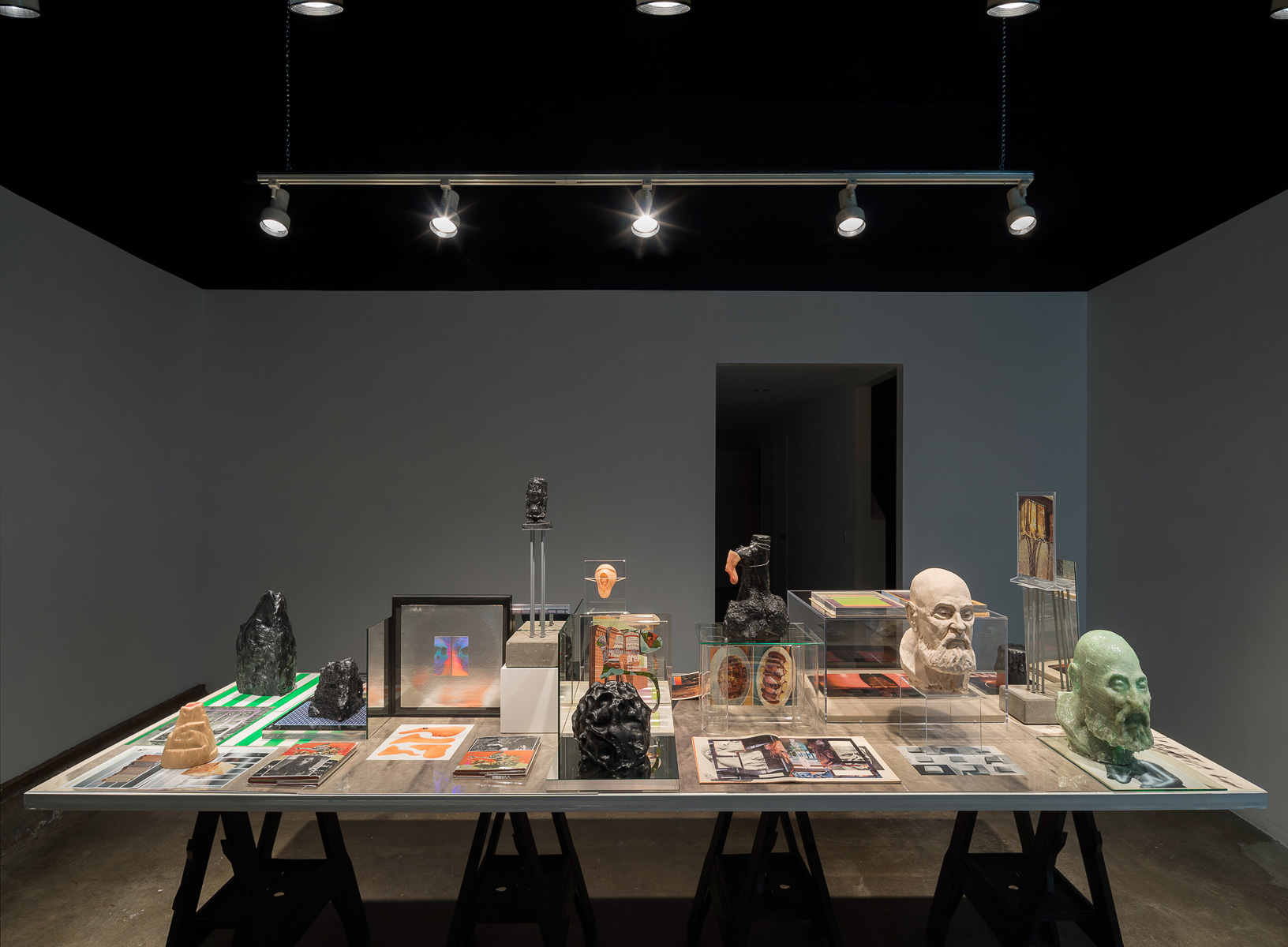
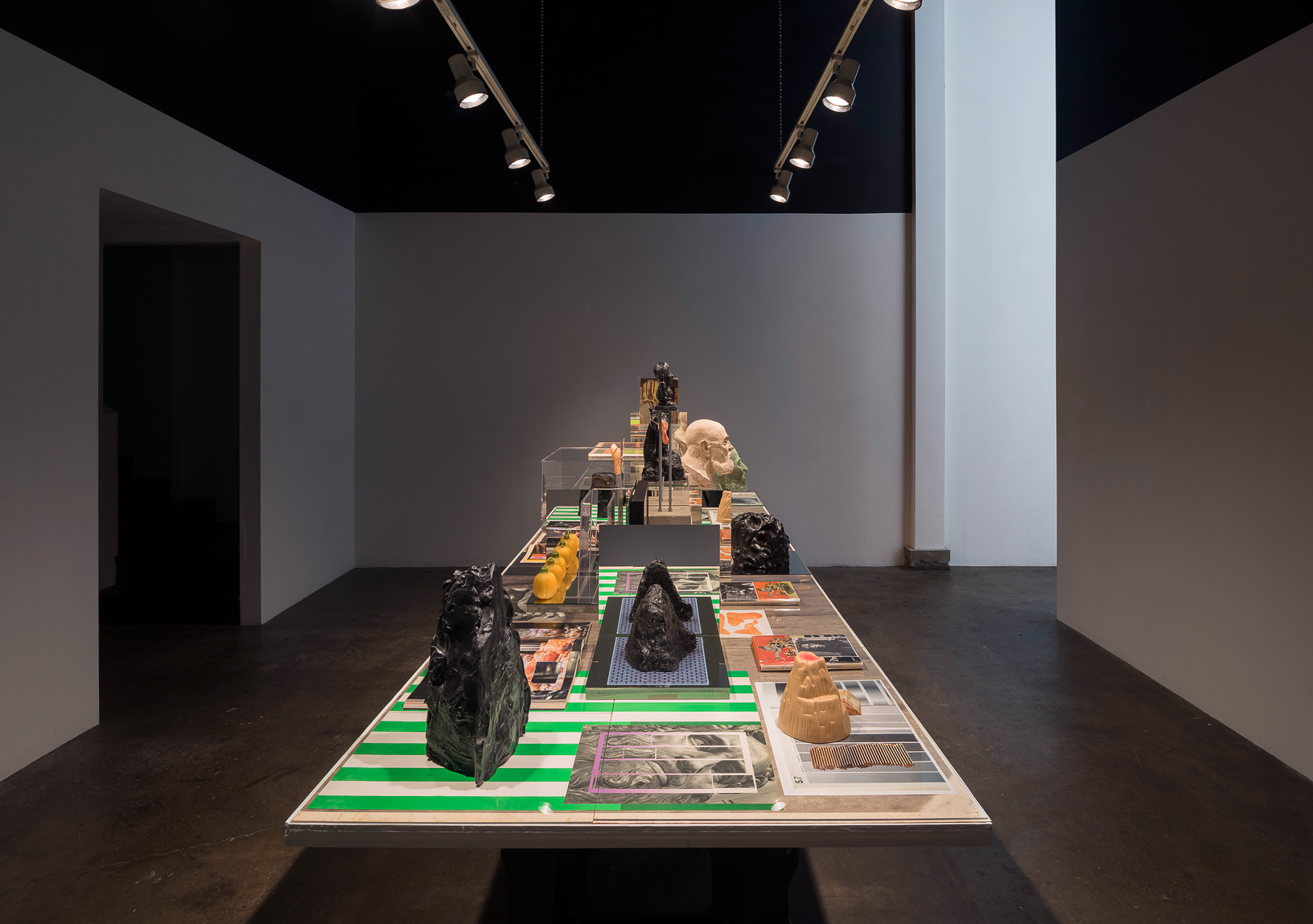
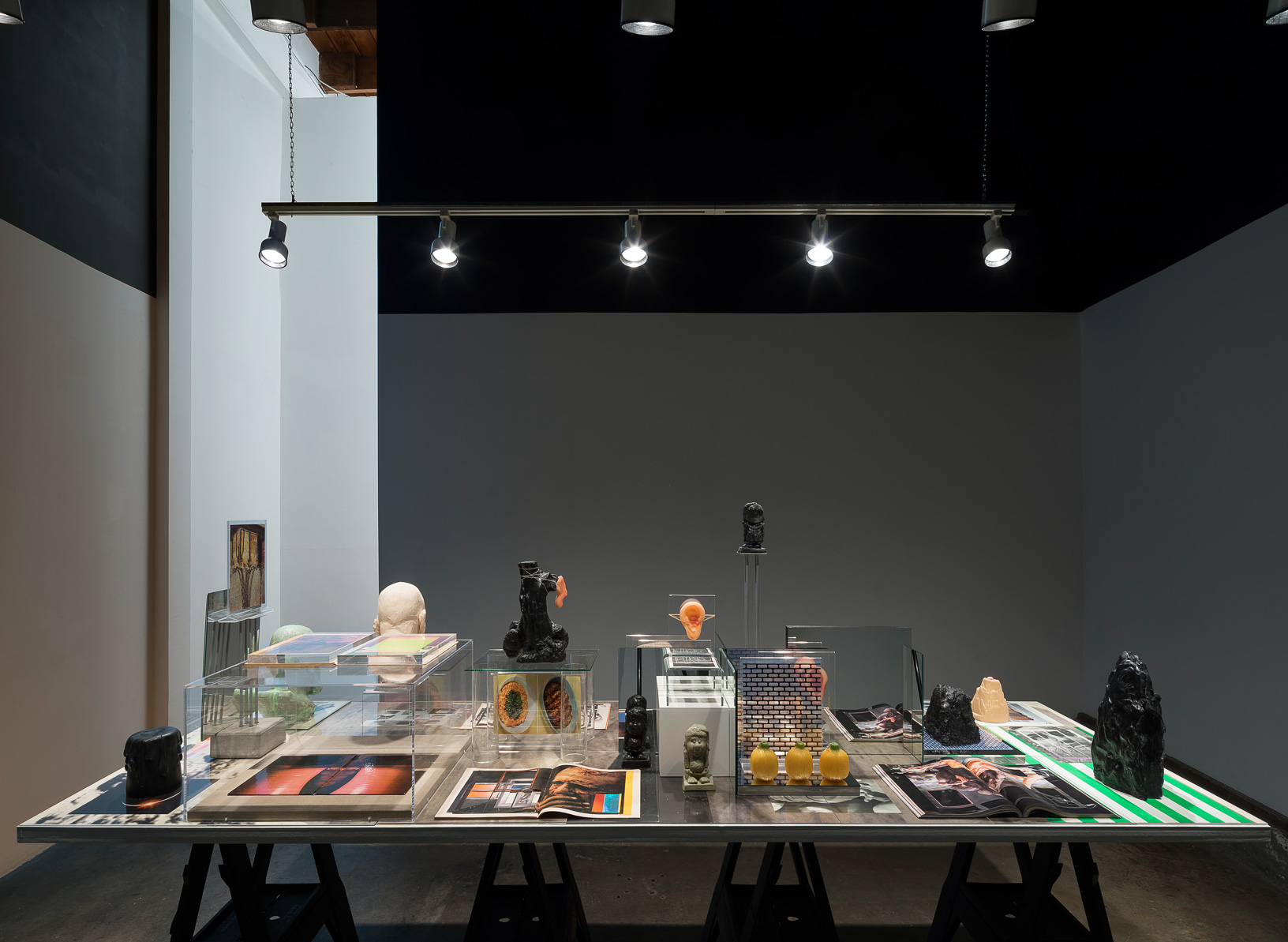
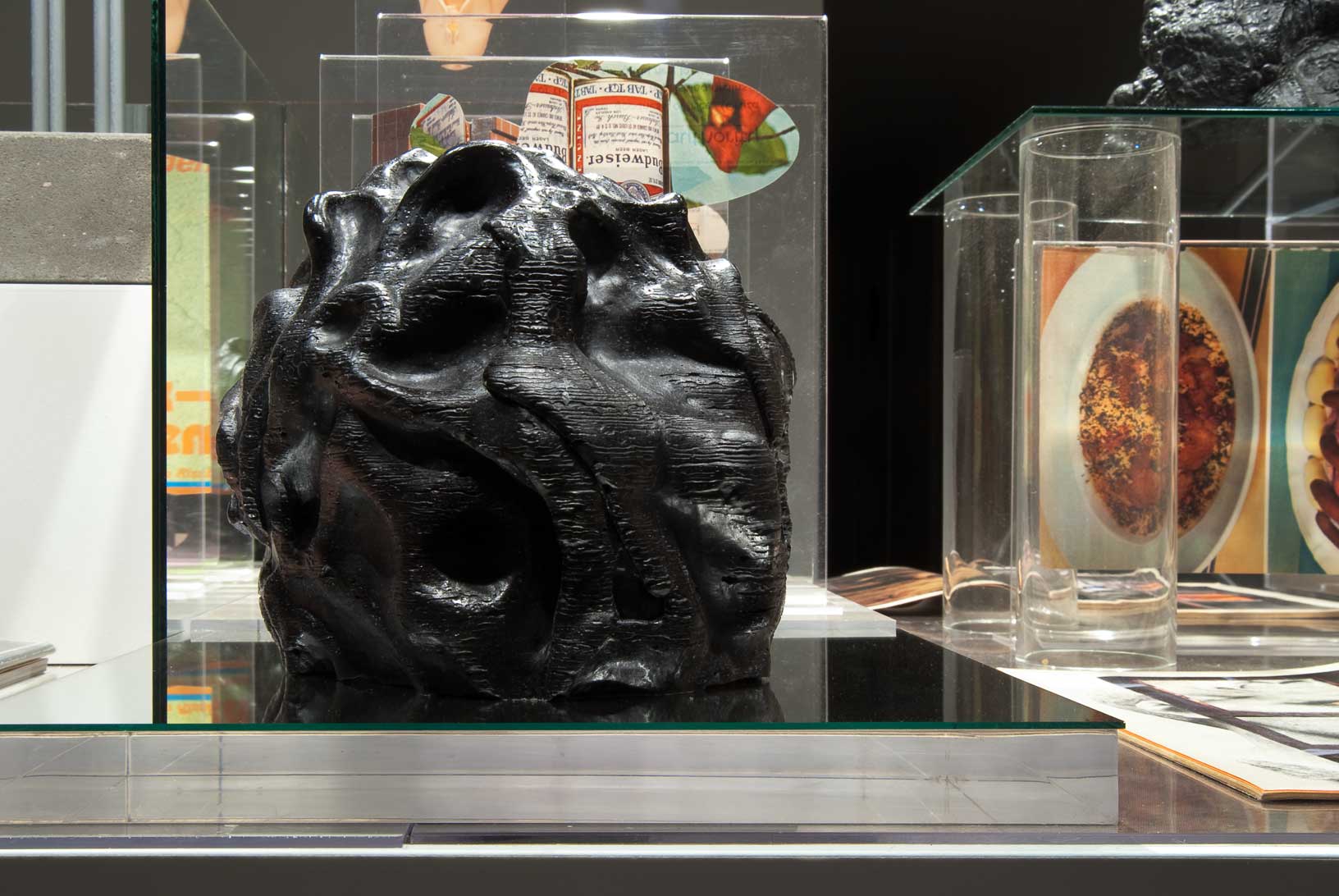
Matt Borruso, Koak, and Mike Kuchar, July 23, 2016 – August 20, 2016. Et al. etc., San Francisco.
I first met Mike Kuchar in 2011 when I visited the apartment he had shared with his late twin brother
George. It was a studio visit with my friends Margaret Tedesco and Patrick Jackson. The space was
filled with paintings, books, and photographs — memorabilia from decades of filmmaking. Statuary was
everywhere: lawn ornaments, Greek nudes, and a remarkably buff Yeti. We watched some of Mike’s
early films, and were thrilled to see a stash of his old drawings dating back to the ’80s.
Since then, Mike’s work has had an incredible resurgence. His films have always been at the forefront
of critical reception, but his drawings have also recently received major attention. Originally appearing
in magazines like Gay Heart Throbs, they were first shown in a gallery setting at Tedesco’s 2nd
floor projects in 2008. The drawings have subsequently appeared at Frieze, Kimmerich Galerie in
Berlin, the ICA and Tate in London, Francois Ghebaly in Los Angeles, and elsewhere.
When Gordon Faylor asked me to host a conversation with Mike for Open Space, I welcomed the
opportunity. Mike and I share some similar interests in vintage comics, cavemen, and science fiction,
among others, and I wanted to ask him about his connections to other underground filmmakers,
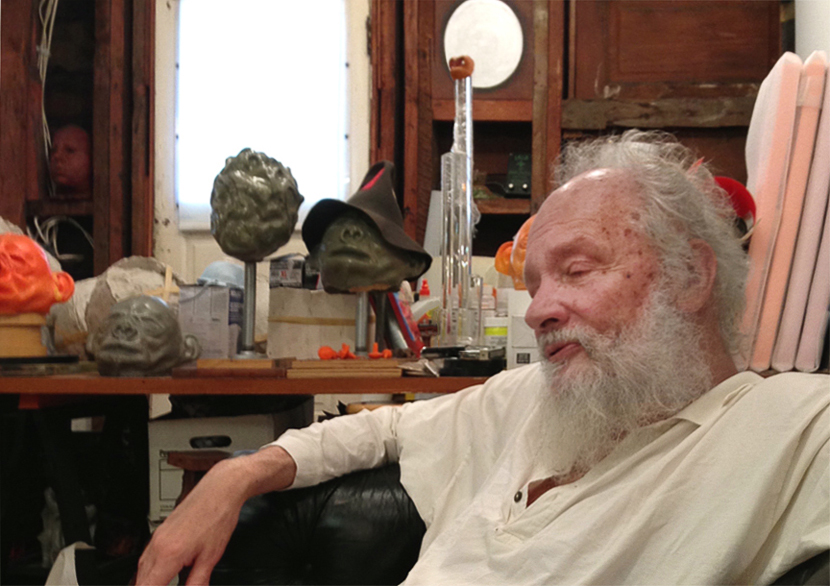
underground comics, and his working process. We decided to meet at my studio, which, like Mike’s
apartment, is also full of “things”: sculptures, books, figurines, detritus.
Mike Kuchar is a true San Francisco treasure. His uncompromising output spans more than sixty
years, and reminds us of the often forgotten value of individual vision and non-conformity. The few
meetings I have had with Mike always leave me feeling completely inspired, and this time was no
exception. Below are excerpts from that wide ranging two-hour conversation, between Mike, Gordon,
and myself, which took place in my studio on May 18th, 2016.
—Matt Borruso
KUCHAR: I went to public school, and the teachers said I had talent because they liked my
drawings and all. There were two art schools in New York: Music and Art, which was like a fine arts
school, and Industrial Art. They said, “Go to the commercial art school, because fine artists, in the
beginning, always starve.” And you know, they got a point there. And I did get a commercial art job
for a while. I did photo retouching on the big fashion models. It was for all the big agencies, I
would retouch all the big models of the day.
BORRUSO: Were you doing airbrush retouching?
KUCHAR: At that time, it was like eight-by-ten, eleven-by-fourteen transparencies. These were big
slides. And what we did, with translucent dyes, we would retouch those big transparencies over a
light box. If the background was light and the dress was sticking out and it was dark, you had to
bleach and lighten the emulsion. And then it was up to the retoucher to paint back the background
onto that emulsion that was sort of lightened.
It was a meticulous kind of thing. It paid well and all, but I was not really interested. I was
only interested in whatever inspired me. I liked making movies. I would be making 8 mm movies of
my brother and 16 mm movies too. That’s really what I was interested in. And painting every so
often. Sometimes a movie needed a matte painting, and I was able to do it.
BORRUSO: What other commercial work did you do?
KUCHAR: I did a couple of movies for German television. I was the cinematographer for Rosa von
Praunheim. But then the movies I had made with my brother caught on. I didn’t know I was part of
a movement —what became the underground movement.
Cameras became a consumer product. You could buy a movie camera. So it wasn’t only that the major
studios or TV companies were making movies, but now people in the apartments, like artists, who
were, some of them, reputable. I mean, I knew Andy Warhol, I knew a whole bunch of other people who
decided to get to their ideas, their temperament, their kind of approach to the visual stuff using
the camera. Studios used to make stories, movies about crazy people; but now crazy people were
actually making movies, so you’re getting the real thing. [laughter] I mean that in a good way.
That guy Jack Smith. He was, well, a tormented person, you know? But you see his movies, you get
into his mind and fantasies. You know, I could use the word crazy. But remember, isn’t it the Greeks
that said the crazy people are the ones who’re closer to the gods or understand the chaos in
creation or something?
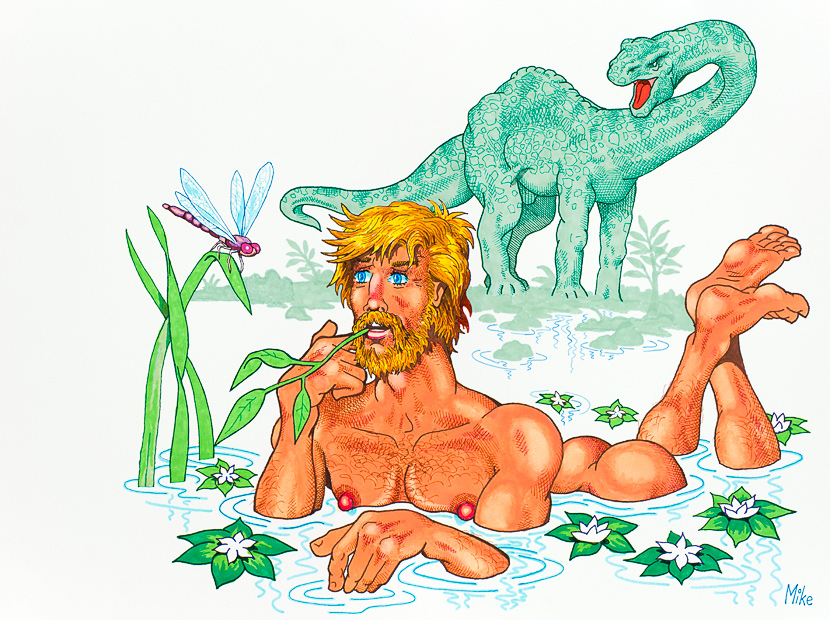
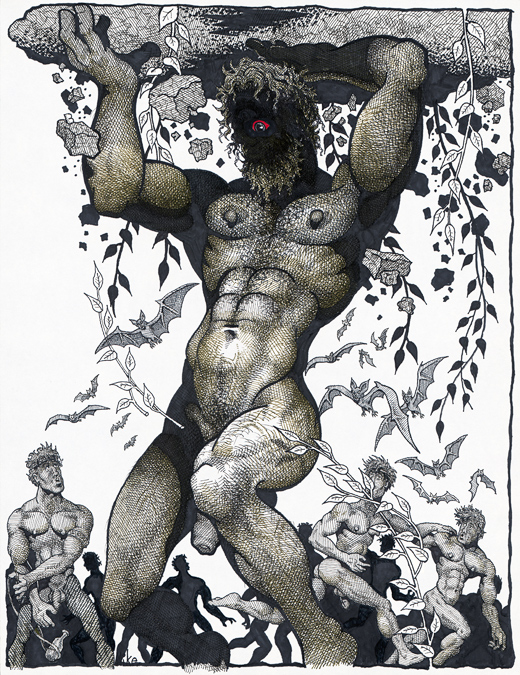
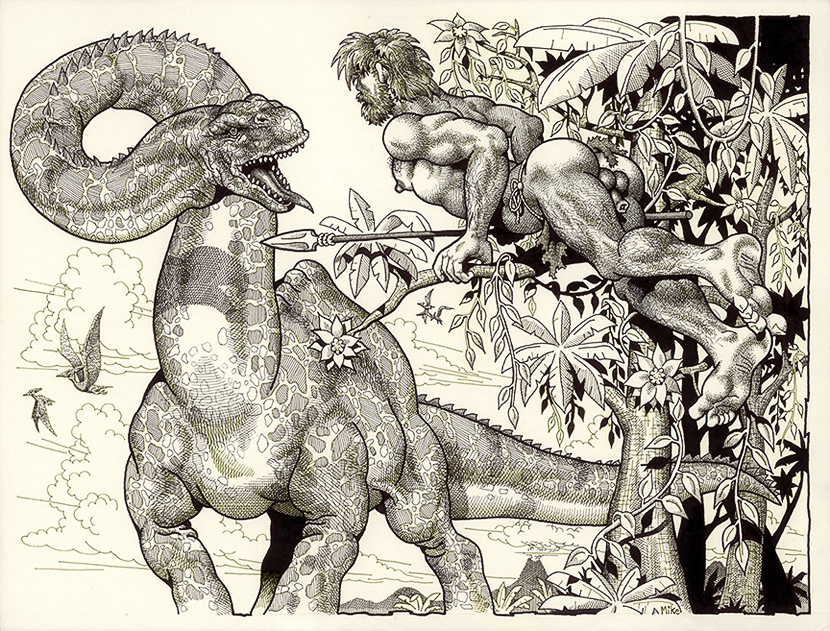
Mike Kuchar, Dino, 2013. Courtesy of the artist.
BORRUSO: How did you end up doing underground comics? I’m interested in the connection
between your filmmaking and this two-dimensional work — the drawing work.
KUCHAR: Yes. You know, I remember I was editing something at four in the morning in the apartment.
And through the wall, the person on the other side — I would hear tinkling of a brush in a glass. And I
said, “Somebody else, too — some other soul, too, is up late working.” And she would hear me, with
the splicer, cutting the pictures, and I would hear her. And finally I said, “What are you doing? You’re
working on your painting?” And she was working on her watercolors. But anyway, she also saw my
drawings and she said she knew somebody who was writing for this comic book that was being printed
privately. They needed an illustrator for their latest issues. This guy would publish these comic
books called Gay Heartthrobs. This was back in the early seventies. They needed somebody. I guess
oneof their illustrators dropped out. Well, they weren’t very good.
Also they didn’t know the subject. It’s strange. The man’s idea was good — Larry Fuller — but the
drawings were not good. They really didn’t know the subject. So anyway, she told the fellow who wrote
for the publisher that she knew somebody who might be good for illustrating the stories. And I did a
few samples and they loved it. They loved it. I don’t blame them because what they had before was not
very good. [laughter] They asked me to do three stories and they just gave me complete freedom to
illustrate it the way I thought, because they trusted me. So it went out on the market. And then months
later, I would get telephone calls from — I don’t know how they found my telephone number. I only
printed my first name, Mike, because it’s that kind of work. I considered this my extra sort of career,
my little secret career.
Anyway, I would get the call from these editors who had seen my work for these other magazines,
which dealt with kind of erotic, sexy stuff. And they asked if I could illustrate for them, for their
publication? They would send me a story and they would say, “can you do two or three illustrations
for each?” And they would give me fifty dollars. I was on poverty row, so I said, “oh, well, here I’m
getting fifty dollars for each black and white drawing, and that’s good.” It got me back into drawing.
Mike Kuchar, Myth Man, 1980-1990. Courtesy of the artist.
BORRUSO: George was doing comic books, as well, right? He did the H.P Lovecraft comic for Arcade.
KUCHAR: Yes. Now, this is very, very interesting, considering the underground that’s going on. Okay,
that was going on in New York. But like I say, it was not people that got together and did these movies.
It just was spontaneous. But next door to us in California here actually was the hub of a movement —
individuals were doing comic books. My brother and I were good friends with R. Crumb. There was a
guy that did Zippy the Pinhead, and then there’s Art Spiegelman, who now actually does covers for the
big magazines —
BORRUSO:New Yorker.
KUCHAR: Yeah. You know? I mean, good for him and all. I mean, he was funny. He was kind of an
intellectual type. But next door, which was Bill Griffith’s place, they would get together and have
publishing meetings every month or two. So that was happening right next door to a bungalow we had.
And then in the other bungalow next to us, it was happening there, too. That was Art Spiegelman’s
place.
BORRUSO: What neighborhood was this in?
KUCHAR: This was off of Dolores Street and I think around 18th or 19th, if I remember.
BORRUSO: In the seventies?
KUCHAR: Yeah. And anyway, Art Spiegelman and Crumb loved our 8 mm movies. After the
meetings, he’d come over and we’d play our 8 mm movies for them.
But Art Spiegelman also loved my brother’s drawings, and they had him do a couple comic strips for
this magazine, Arcade. And my brother, I think, was one of the early people to do biographies of
authors. And we were big Lovecraft fans, so he did one of Lovecraft. I didn’t do any work for them.
Mainly, I worked with the bigger publishers that would sell their sexy books on the newsstand. I did
digest-size books for them. But it’s interesting, isn’t it? These two movements. One was a new way of
— or acceptance of movie making, and it was labeled the underground. And then when my brother
moved to California and I followed him, it was this movement that was going on with the illustrations
and comic books. It was underground comics, which opened the door to other explorations of the
psyche and the libido and whatever, which came out in those magazines. It just happened. I didn’t
seek out any of these things.
BORRUSO: But you also both lived in New York and San Francisco… is that right?
KUCHAR: Yeah.
BORRUSO: It seems like underground comics are much more San Francisco, and the initial
underground film scene you were involved in was much more New York.
KUCHAR: Yeah. My brother, he got stationed here because he got a job at the San Francisco Art
Institute. Then I would come out, and I’d go back and forth. And eventually I stayed here.
BORRUSO: What about Crumb? I’m always interested in the connections between artists.
KUCHAR: Well, yes. He was a delightful, delightful man. Delightful. Very unpretentious, very like, real.
Almost like a small town or a country man. He always wore a brown suit. Like a brown suit and a white
shirt. A very, very nice, very down-to-earth person. A little quiet. Yeah.
BORRUSO: So unlike his comic book persona…
KUCHAR: Yeah. [laughter] No. No. With the libido and all that stuff, it really came pouring out. It was
wonderful. Wonderful. No, a very, very charming, slightly-built man, you know.
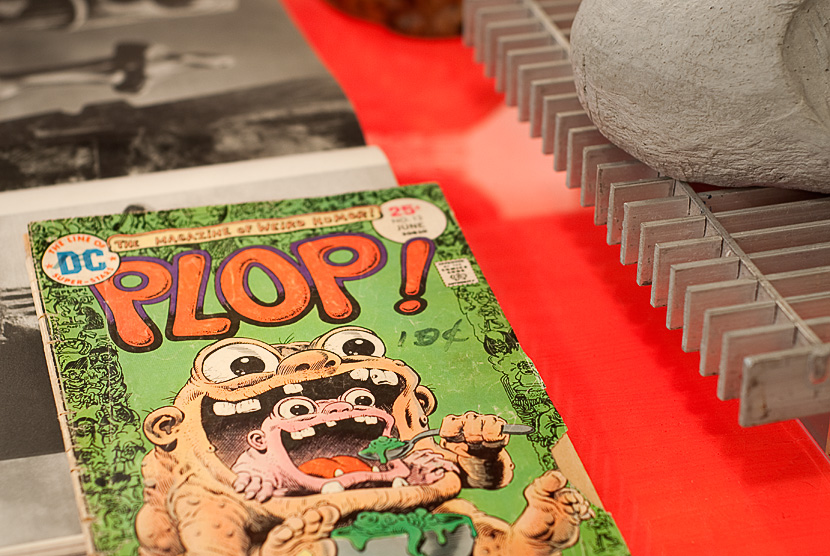
Plop! #13, Matt Borruso studio
BORRUSO: I know you also like older comics. Last time I was at your apartment I noticed you had an
EC collection on the shelf. And I know you like Wally Wood a lot.
KUCHAR: Oh, yes. Yes. You know, all these people, we open doors for each other. Artists open
doors for each other. We show the possibility, and then that opens doors for other people to explore.
Wally Wood I found very inspiring. You know I would see his drawings. And maybe that, too, was the
impetus for me to draw, because of the effect his drawings had, or the magic and the power. I met
the man.
BORRUSO: Oh, really?
KUCHAR: Yes. And that was a great thrill. A great thrill.
BORRUSO: I really like his drawings, as well. They have a special quality. Could you describe why
you were attracted to them?
KUCHAR: What I liked about Wally Wood, his men were so masculine. And his women were
voluptuous. The space ships were gleaming metal. These elemental things. And the monsters were
absolutely hideous. They were frightening. [laughter] So you got this play of things, you got this
surface — he did amazing things with metallic rocket ships. They really look like metal. I mean, they
had the feel of metal. [Borruso pulls out a copy of PLOP! #13] Oh, yeah, well — well, he did this cover,
didn’the? How do you get that ability to put that aura into a drawing like that, you know? So the males and
females, they were especially powerful for me.
Also I find comic books are really storyboards. And each panel is an angle and it says something. I
mean, you’ve got bubbles coming out of the people’s heads. So it’s a progression; it very much
relates to movies. You’ve got individual shots and angles, and then you’ve got the composition, then
you’ve got the costumes and all of that. All of that’s incorporated.
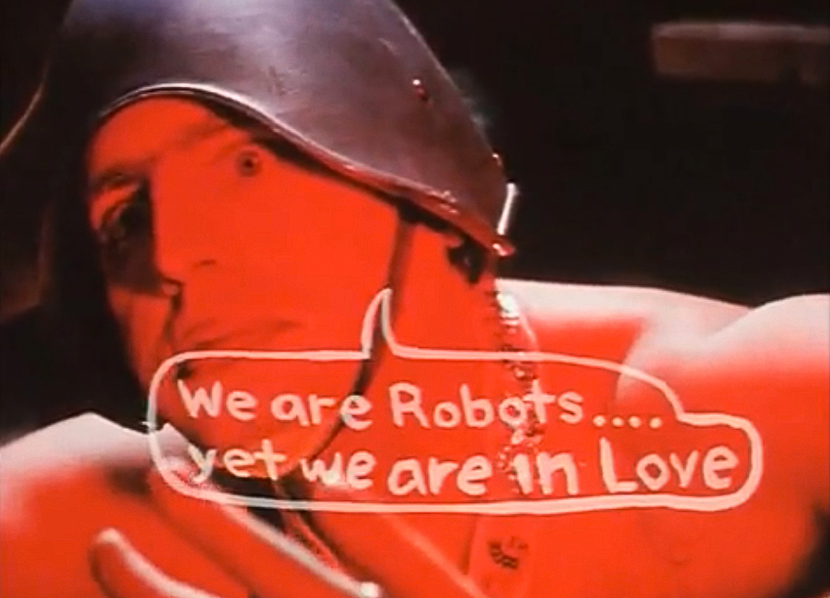
Still from Sins of the Fleshapoids, 1965
BORRUSO: Do you storyboard your own films?
KUCHAR: For my own, no. I use instinct.
BORRUSO: Even for the older films, like Sins of the Fleshapoids? It’s just completely improv?
KUCHAR: Yeah. I don’t even know the endings. If I knew the ending, maybe I wouldn’t make the picture.
I have to discover it. I have to see what I’m getting into. I knew I wanted to do a costume picture. I knew
I liked Biblical epics, Hercules movies. And I also like science fiction, so I kind of mixed them all together.
And then as you go into it, it starts to develop. You know, with a lot of pictures, you know what it is?
Sometimes it’s like you’re on a psychiatry couch. You just start talking. It’s going to come out. All of the
subconscious will come out. All you’ve got to do is start talking. Either that or just pick up a camera and
start aiming it — and what you’re aiming at also has influence on how you’re using them or how the
camera is depicting them. And it brings out feelings that you have for your subject, putting them into some
kind of new form that’s emotional, that has its own kind of psychological drive. And as you keep, in this
case, filming — or I guess it’s the same thing with painting — you bring out what’s in the subconscious,
what’s there all the time. Those mediums open up the door for it.
And it could be a canvas or a screen. You begin to see what it is. It becomes clearer. All the motivations,
all the drives. Sometimes with people, you know, there’s a certain way you desire to portray them or
desire to put them in situations. It’s all subconscious, it’s all the libido — it’s all coming out. Then
you see what you got and you see where it’s leading, and then you have to put the final structure to it
and come to a certain conclusion, or to complete it in a way that feels fulfilled, you know? Then the
control starts to come in, because you have to now give it a definite meaning or resolve it.
BORRUSO: So certainly those desires drive your films, but I’m also interested in your film influences.
What mainstream films were you initially inspired by?
KUCHAR: You know, even the stupidest movie or the most despised movie, there’s always something
that is a spark. There’s something that can be explored or affects you in a certain way. I love Hollywood
movies. That’s how I learned movie making — when I was watching the picture, I was also seeing how
they were made, in some ways. And I love junk stuff. I love B-movies, I love the cheap science fiction
movies of the fifties.
I love to look at paintings too, because in some ways, they also help me as a cinematographer. You
see a painting and the colors that are used, the composition — there’s magic in an image. Something
will affect you. There’s magic. There’s a sense of atmosphere, light and mood. I always find the
mediums are all interchangeable.
BORRUSO: I also wanted to know about your collecting — all the stuff that you have in your
apartment. The statuary collection is just amazing.
KUCHAR: Oh, yeah. By the way, I’m going to get a museum-quality Tyrannosaurus rex statue,
another one. [laughter] I don’t know what it is. I used to go to museums and I love those statues
of the dinosaurs.
I like statuary, I like visual stimulation around the house. Sometimes after I’m busy doing something,
I sit in the house, and then I’ve got all these objects around and they kind of hold my attention.
They’re pleasant. I want to create a kind of sanctuary, a kind of museum or a jungle den or a religious
temple. I’d like to be surrounded by that.
BORRUSO: Do you ever buy used things? Do you ever go to the flea market or anything like that?
KUCHAR: My brother, he loved kitsch. Before, the place was all full of that kind of stuff. But what
happened was when he passed away, it was awful, awful. But the house, pretty much, he had
decorated it — it had all this kitsch stuff. And I had to change the look of the place, because I
would expect to find him there, if it was like the way he had always had set it up. I’d come home and
he’s not there; it would only rub it in. Everything — all the photos or books about him and about
authors that signed books to him — it’s all there; but I physically had to change the look of the
place. So I put my interest in this kind of statuary and I gave it a new aura. But my brother’s
spirit is all there.
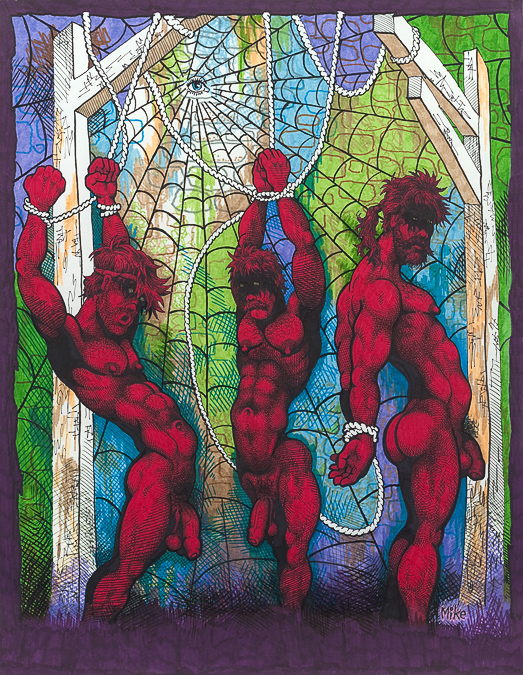
Mike Kuchar, Lusty Line-Up, 1980-1990. Courtesy of the artist.
BORRUSO: Do you use the statuary as a reference for your drawings, as well? When you draw, does it
just come right out of your head, or do you —
KUCHAR: Yes. You know what I do? I have a flow of action. Lines, a flow of lines. If it’s a figure, it’s
how the figure is to be. Then I try to flesh it out. I have to look in the mirror, I have to check to see if I am
missing something. What‘s missing that would give these cartoons more fleshiness? They’re juicy
cartoons, in a way. So I use myself. I look in the mirror and I say, you know, I should have a vein here
or whatever. Hands are problematic. So I always have to check the character’s hands.
BORRUSO: …I like to have something to draw from, to look at.
KUCHAR: It’s all in one’s approach.
BORRUSO: But I think it’s interesting that you are the model for your drawings.
KUCHAR: Yeah. I mean, I won’t look like those overripe characters I do. I always say: hold back a bit.
It should be more of a tease or something. And you know, I exaggerate. Because why not? I put in
things that I myself don’t see that should be in that style or in that genre of these homoerotic illustrations.
I put in things that I think are important. I mean, like humor, or a mixture of ages. And I play with things,
you know, I try to make them more humorous, witty, and real.
You know, like when you took their clothes off, but didn’t take their tie off or something. [laughter] Or
they have eyeglasses on. I think that’s very charming. It’s real if they have their eyeglasses on. I try to
humanize it, not make it so clone-like. Also, I add a lot of hair on the body because the hair molds the
drawing. [laughter] You know, it puts texture into the drawing.
BORRUSO: I guess now it’s different because you’re making these drawings for gallery shows, and
they were never really made for that reason before. When we went to your house, they were —
KUCHAR: They were in the closet for years.
BORRUSO: When we went, you were like, “Oh, I’ve got these drawings. They’re under a sleeping
bag in the closet.” [laughs]
KUCHAR: They were in the closet for years. Margaret [Tedesco] came over to visit and she saw
one thing hanging on the wall, a sketch. And I said, “I’ve got more I could show.” I was a little shy.
But I showed them to her and she liked them very much. And it was through her that there was a
resurgent interest in my drawings. Doing this type of work, I know it has to be a certain kind of thing.
It has to be geared for the sexy magazines. Yet at the same time, I try to make them good drawings.
BORRUSO: They are good drawings.
KUCHAR: Thank you. I felt that was important. In other words, it should work within what it’s made for;
but also it should work as an interesting composition. You know, it should stand on many legs, be like a
solid table, so it can work.
The two pictures that will show at the gallery here, you know, I’m enjoying so much the homoerotic in
them. Because that was my assignment, so I didn’t mind. For years, I would illustrate for magazines
that dealt with that subject and all, and it just becomes natural for me to do that, or automatic.
BORRUSO: So you’re still known purely as Mike for all those drawings?
KUCHAR: Yeah. I still put Mike. [laughter]
Mike Kuchar, Nature’s Bounty, 1980-1990. Courtesy of the artist.
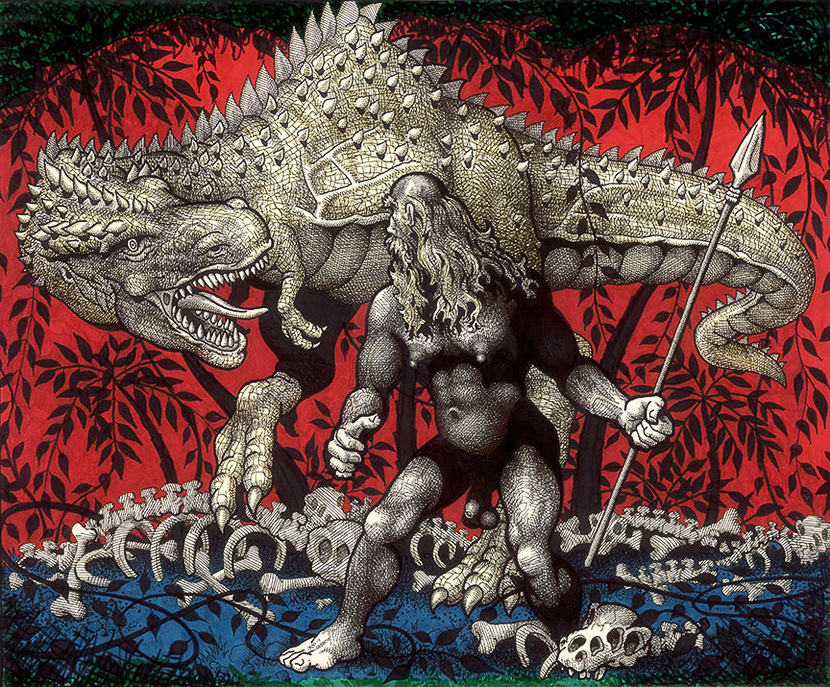
BORRUSO: The dinosaurs are very specific to you, though.
KUCHAR: Oh, yeah. Okay, here’s where the dinosaurs come in. Sometimes in these magazines,
they’d ask me to write stories and all. I’d do cave people stories, cavemen stories. And this was my
chance to put dinosaurs in. I mean, you know, dinosaurs didn’t live with the cavemen, but this is a way
for me to use my fascination with dinosaurs — I always admired the great painters of the Natural History
Museum. Charles R. Knight, you know?
BORRUSO: Yes! I love Charles Knight.
KUCHAR: Oh! Yeah. And I always admired his work. And I wanted to see — try to see if I could draw
good dinosaurs. He was a great inspiration to me, Charles R. Knight.
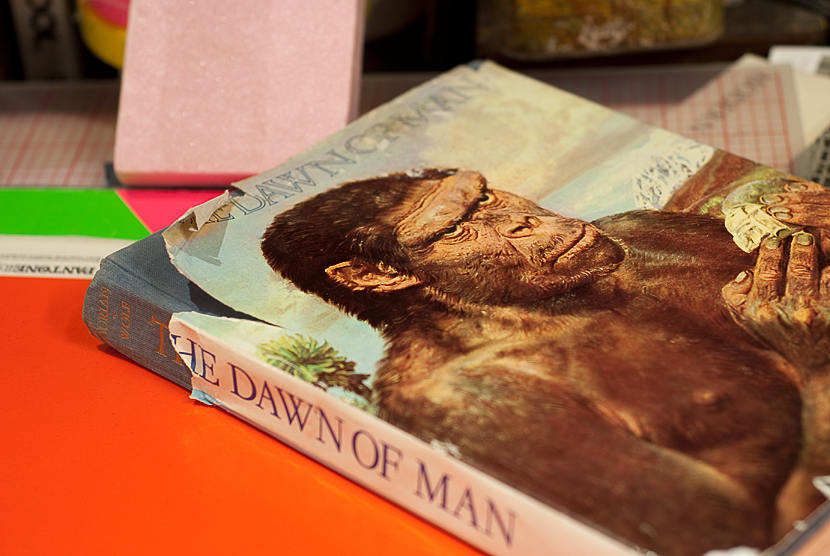
BORRUSO: Yeah. The other artist that I really like is Zdeněk Burian. Do you know him?
KUCHAR: If I saw the work, probably. I can’t put the name —
BORRUSO: His books have been a big inspiration for me. [Matt presents a copy of Josef Wolf
and Zdeněk Burian’s The Dawn of Man]
The Dawn of Man, Matt Borruso studio
KUCHAR: Oh, this guy, yes. He’s wonderful, yeah.
BORRUSO: And the new films you’re making, the ones that you showed us last time, they’re a series,
right?
KUCHAR: Yeah, I call them the Soul Searching series. I just finished one a couple days ago. You see
the head, you see the face, [but] they’re doing internal thinking. They’re either trying to confront some
kind of inner turbulence, a doubt, maybe self-doubt. Or they’re trying to figure out their existence or
why they’re existing.
BORRUSO: Do you think it’s changed for you over the years? Would you think right now that you have
different concerns than you did? Your newer pictures seem more self-reflective…
KUCHAR: You do what’s natural to you. This is all self-motivated, for the most part. Except for the
illustrations that I’m asked to do for the magazines. So I can look at my older work and say they are
what they are. They live with whatever vitality they have because it was genuine. I could probably
never do that again. It has to do with the people you knew. As you grow older and older, you think
more. That’s one thing I find. I find that I was more spontaneous — well, I’m still spontaneous. But you
tend to think more as you get older. You can change, but it’s not to eradicate what you’ve done before;
it’s just you follow whatever course comes to you, whatever feels natural. You know? Just whatever is
real to you. Or whatever you are dealing with, you deal with as truthfully as you can, with either the
subject or with yourself, in relating to whatever the subject is.
Mike Kuchar, Man and Monster, 1980-1990. Courtesy of the artist.
KUCHAR: So what theme are you working on at the moment?
BORRUSO: I’m making a lot of sculptures these days… from found objects. I look for these very
specific things, and then I put them together sort of like collages. And a lot of the objects are cast. I’ll
remake them… cast them in wax or concrete.
KUCHAR: There’s something very organically captivating about it, you know.
BORRUSO: I’ve also been making a lot of books of collages, found photographs, and digital
manipulations. I’ve been teaching myself how to actually make and bind the books. And a big part of
my work is looking for all this paper and these magazines and the objects that I use. A big part of what
I do is just the looking for things.
KUCHAR: Well, you certainly are putting them to new use. It’s very evocative, very compelling and
like a new entering of a new world.
BORRUSO: Thank you.
KUCHAR: It’s familiar in a new way. But there’s a magic. It’s like a new world, with the world that is
now and with products in it.
FAYLOR: That’s evident in your work as well. Like in Sins of the Fleshapoids, the characters are
eating Wise potato chips. It’s a new world, but… there’s this resonance of older products that somehow
seeps in.
KUCHAR: Well, you know, movies are phony. Movies are fake. They’re constructions. They’re not real
at all. So I guess I put that in just to jumble things up. Because movies are illusions. I used to go to
movies, and while I’m looking at the big close-ups, I think about the eyelashes, those big eyelashes. It’s
makeup. I mean, it’s beautiful, I love it. But sometimes I overdid it… I overdo it.
And I used to like bad acting. I wouldn’t ridicule it, I’d like it. It shows that the people are brave, when
they get up and they’re trying to participate and whatever, but they fail beautifully or something. Like when
I made my most popular picture, Sins of the Fleshapoids, somehow — I didn’t realize it, but there
was a need then for camp.
Camp, the feeling of camp. What is it? Somebody came up with camp. You know, to me, camp is like you
set up your tent on an established recreation center. You set your tent up on it and then it’s part of the
recreation; you have fun with it. And Sins of the Fleshapoids was like setting up the tent in a
Hollywood genre. The makeup is too much. And when the music comes on, it’s a little too loud. It’s all
obvious. Evident. But it’s more like a send up. Or it’s the beauty of the artificiality of it.
And I used to see, also, those musclemen in the movies. They look great, but they can’t act. And so of
course, the person in mine, he looked okay, but he could not act. He was the worst actor. But there was
this iconic beauty. It’s like this kind of glorious put-on in a costume. What started me with that picture, I
was listening to electronic music and I said, “I want to do science fiction.” That was it. I wanted to do a
science fiction picture.
You know, there’s all kinds of inspiration. It just could start with the most basic, elemental thing or the
simplest thing, and then it begins to escalate into something. That’s always the start of the flame, the fire.
The Summer Institute for Visual Arts at Drury University is pleased to present SIVA Currents, a new summer lecture series presented in partnership with the Springfield Art Museum. SIVA Currents features the program’s current Visiting Artist Fellows, a diverse group of international artists representing a range of contemporary practices and disciplines.
2015 Visiting Artists Fellows include:
Matt Borruso, Ben Kinsley, Chelsea Knight and Christine Laquet.
Springfield Art Museum
1111 E. Brookside Drive
Springfield, MO 65807
Allegorical Procedures: Bay Area Collage, 1950-Present
San Francisco State University Fine Arts Gallery
Saturday, September 20 –Thursday, October 16, 2014 Opening reception: Saturday, September 20, 1-3pm
Gallery hours: Wednesdays through Saturdays, 11am to 4pm.
This show surveys collage practices in the Bay Area, including related practices of decollage, assemblage, photomontage and detournement. Collage will be conceived broadly as an “allegorical” technique of signification that relies on methods of “confiscation, superimposition and fragmentation,” as Benjamin Buchloh observed in his 1980 theorization of collage and montage.
Curated by Gwen Allen.
Anna Banana/VILE Magazine, Terry Berlier, Wallace Berman/Semina, Matt Borruso, Val Britton, Marie Johnson Calloway, castaneda/reiman, Bruce Conner, John De Fazio, Jay DeFeo, Emory Douglas, Lynn Hershman Leeson, David Ireland, Jess, Jasmin Lim, Matt Lipps, Fred Martin, Brion Nuda Rosch, Leslie Shows, Winston Smith
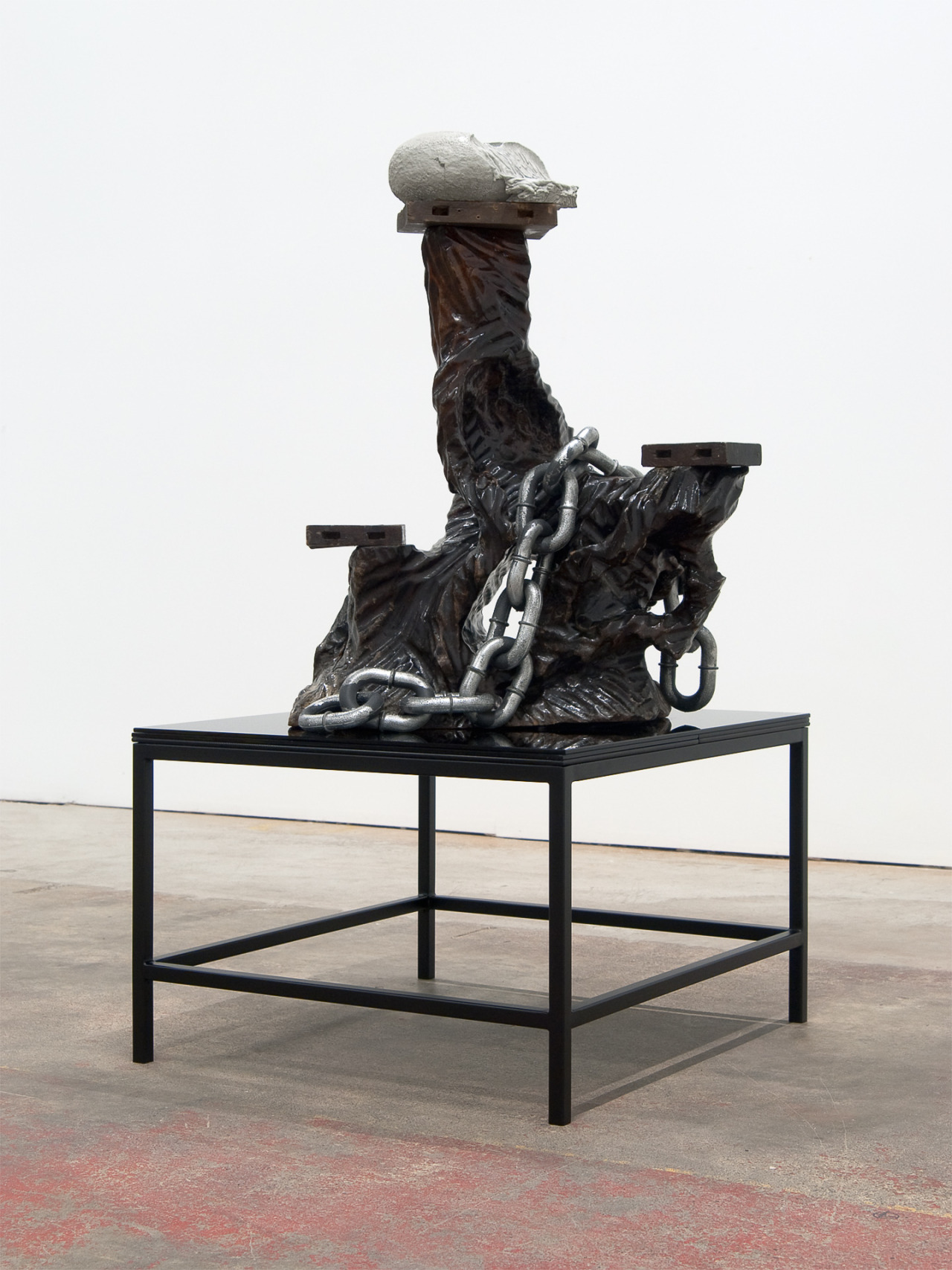
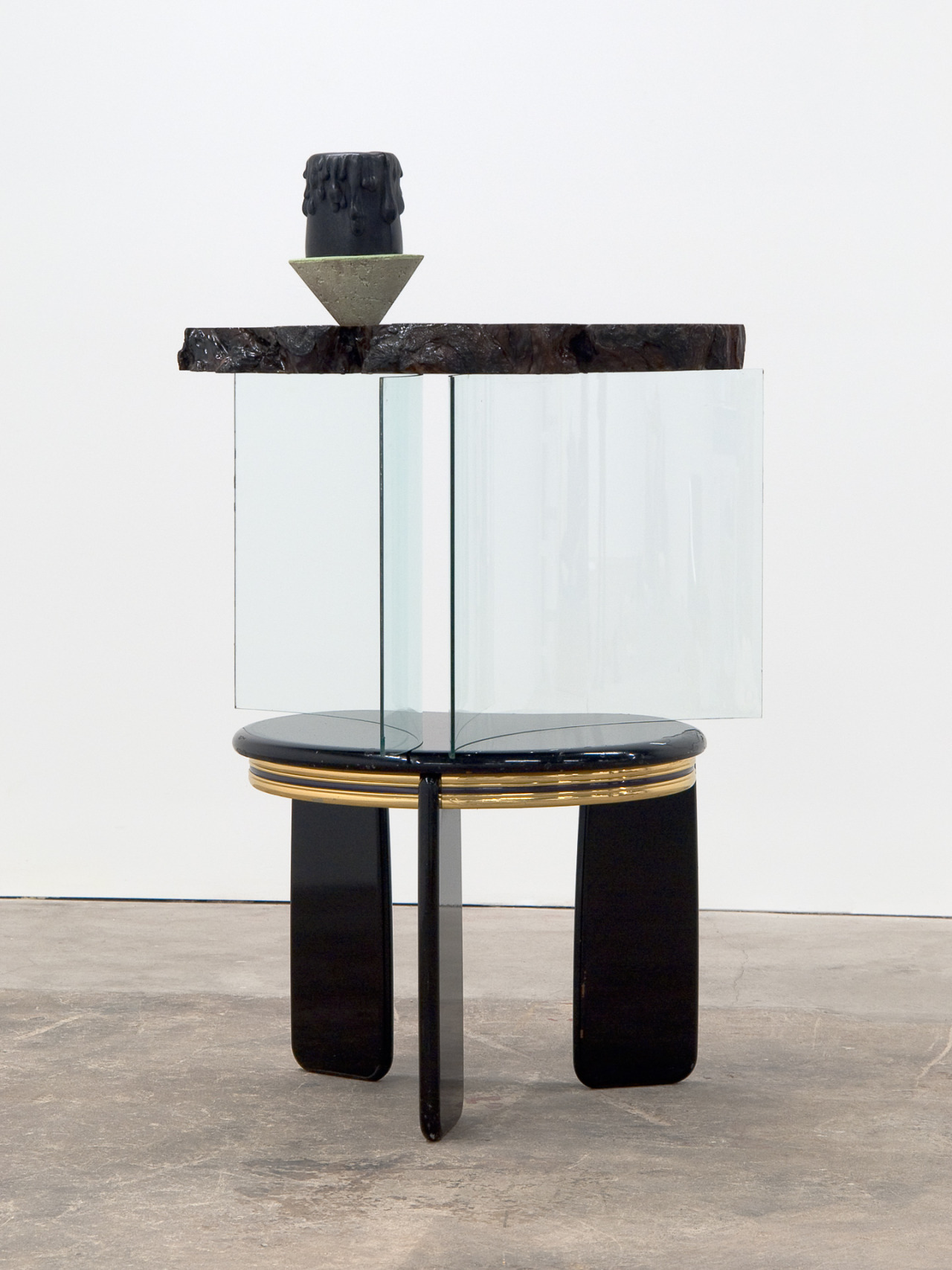
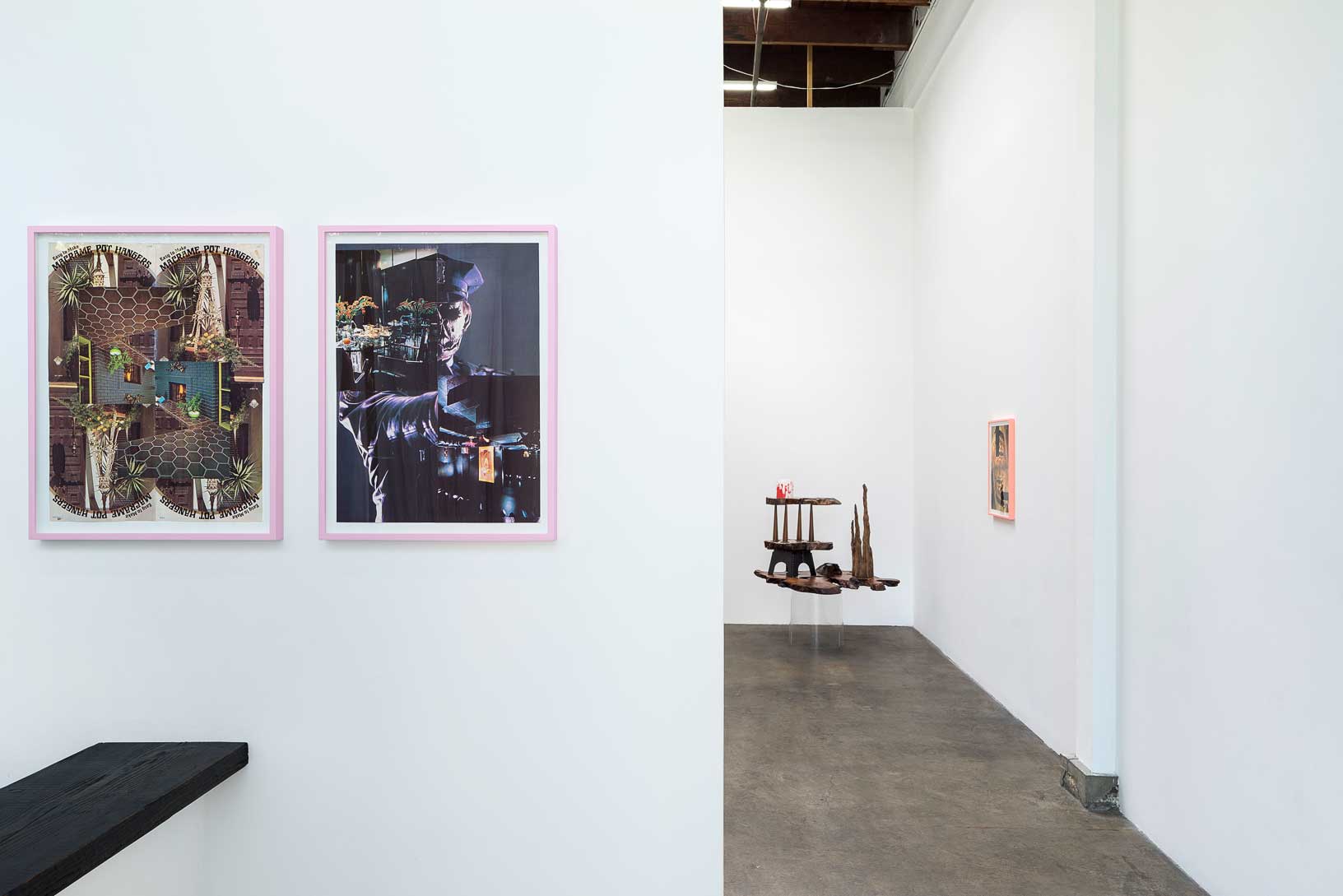
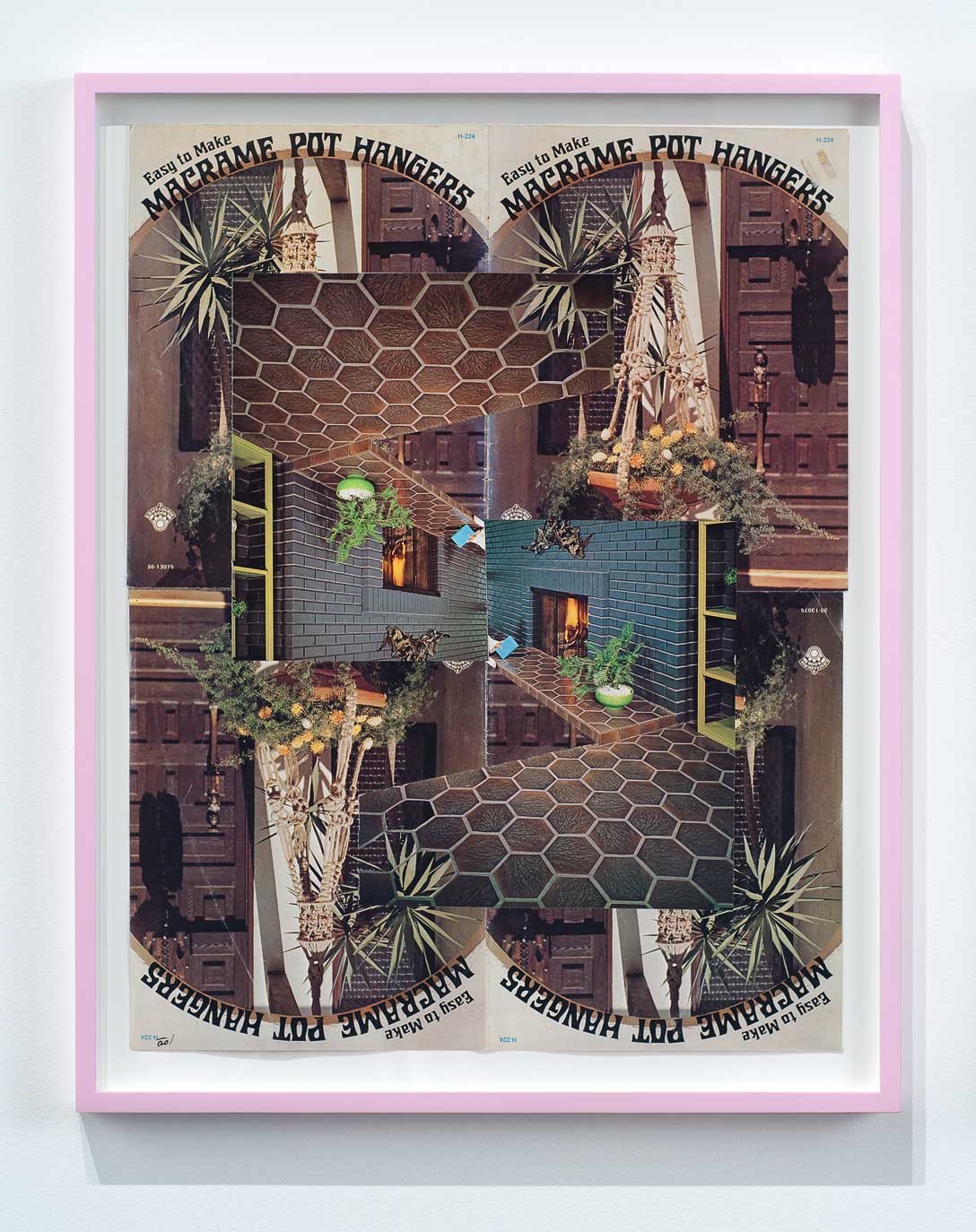
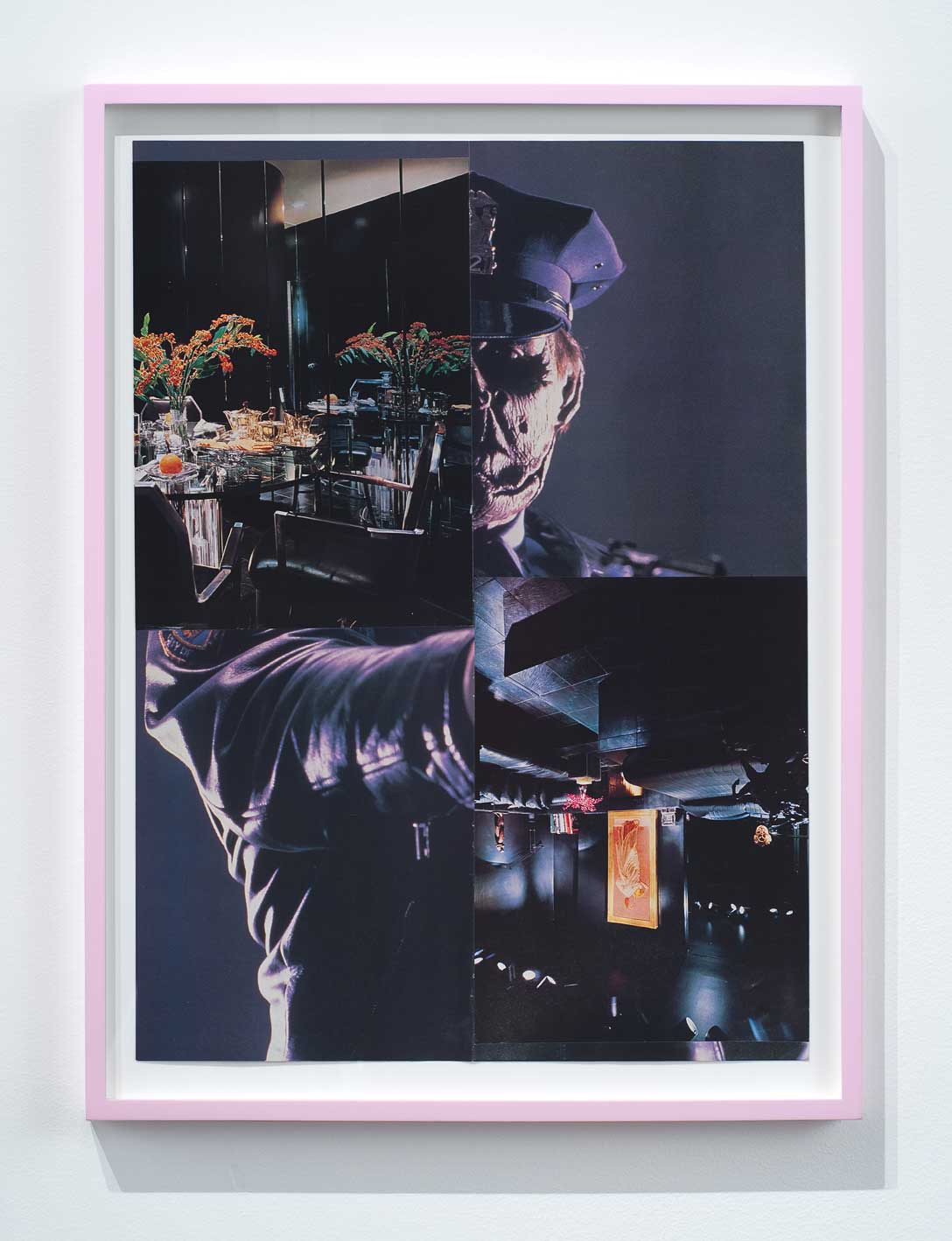
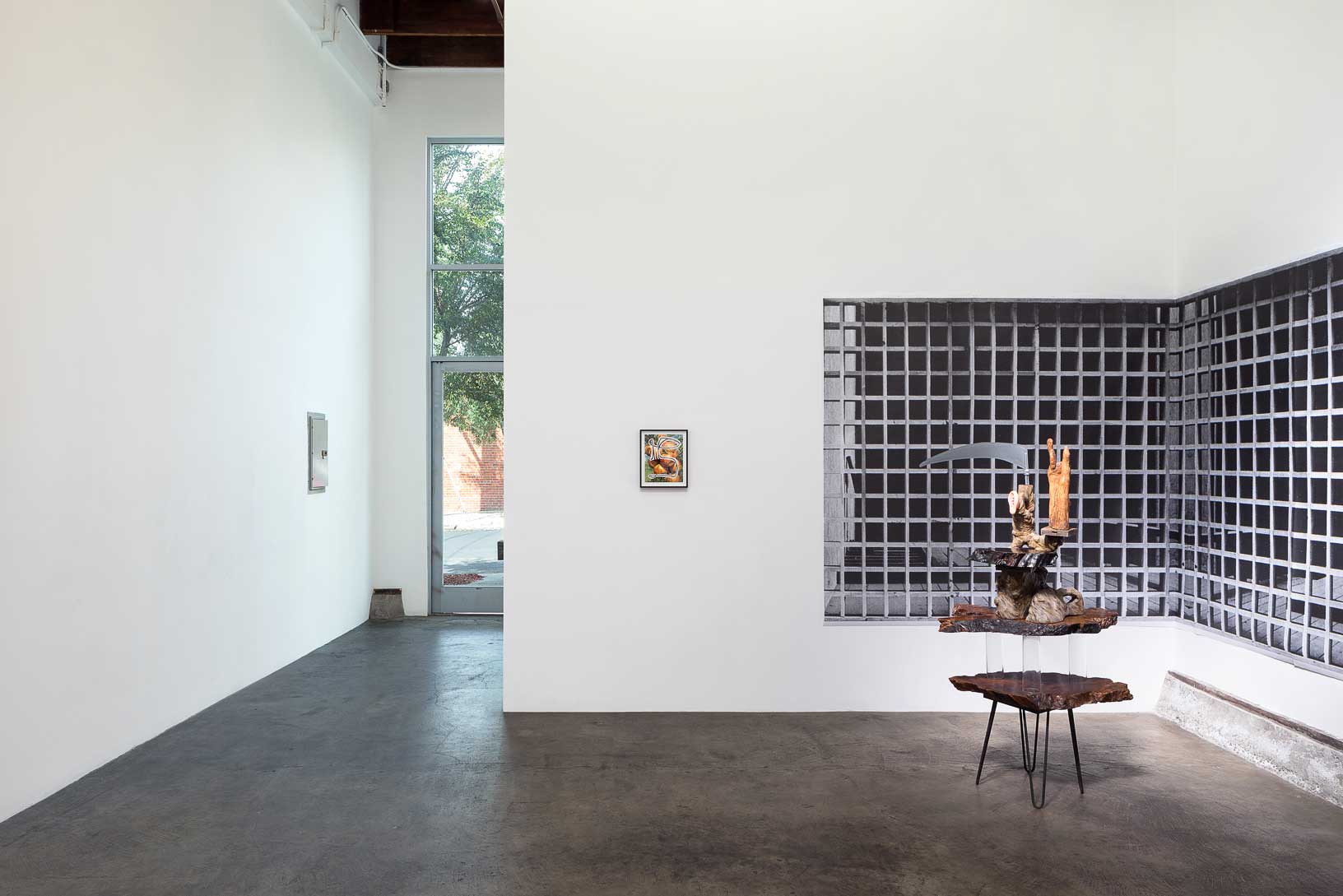
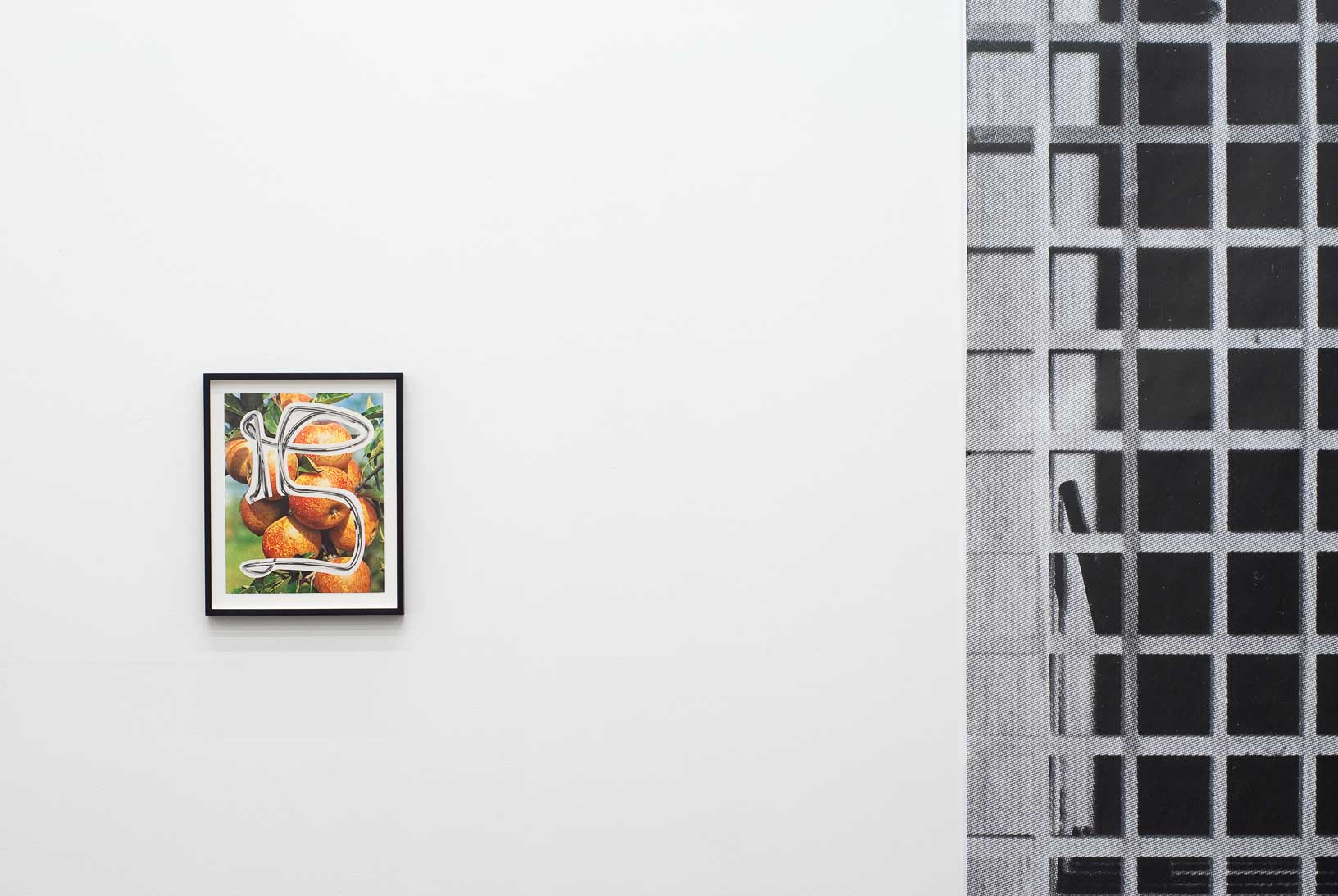
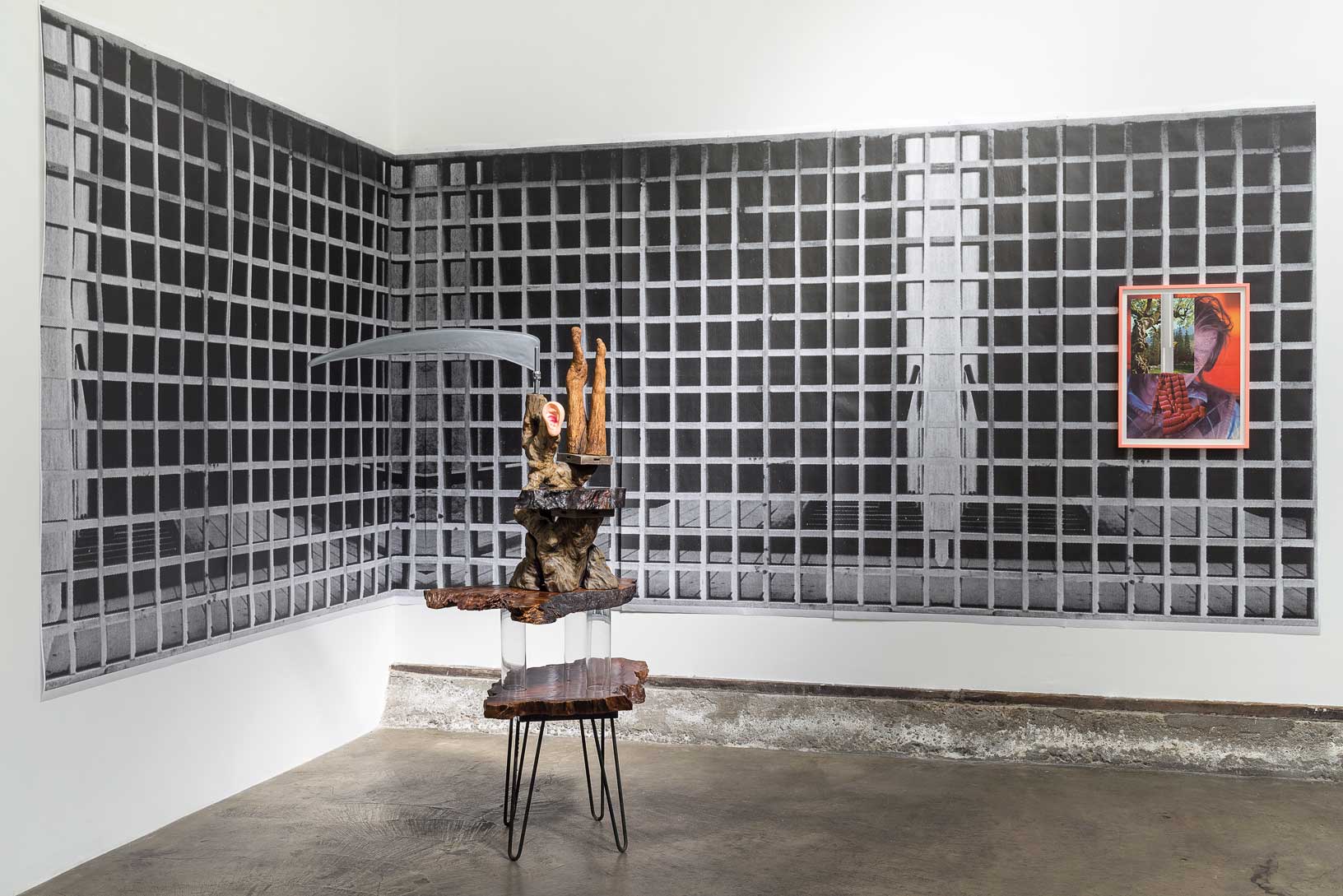
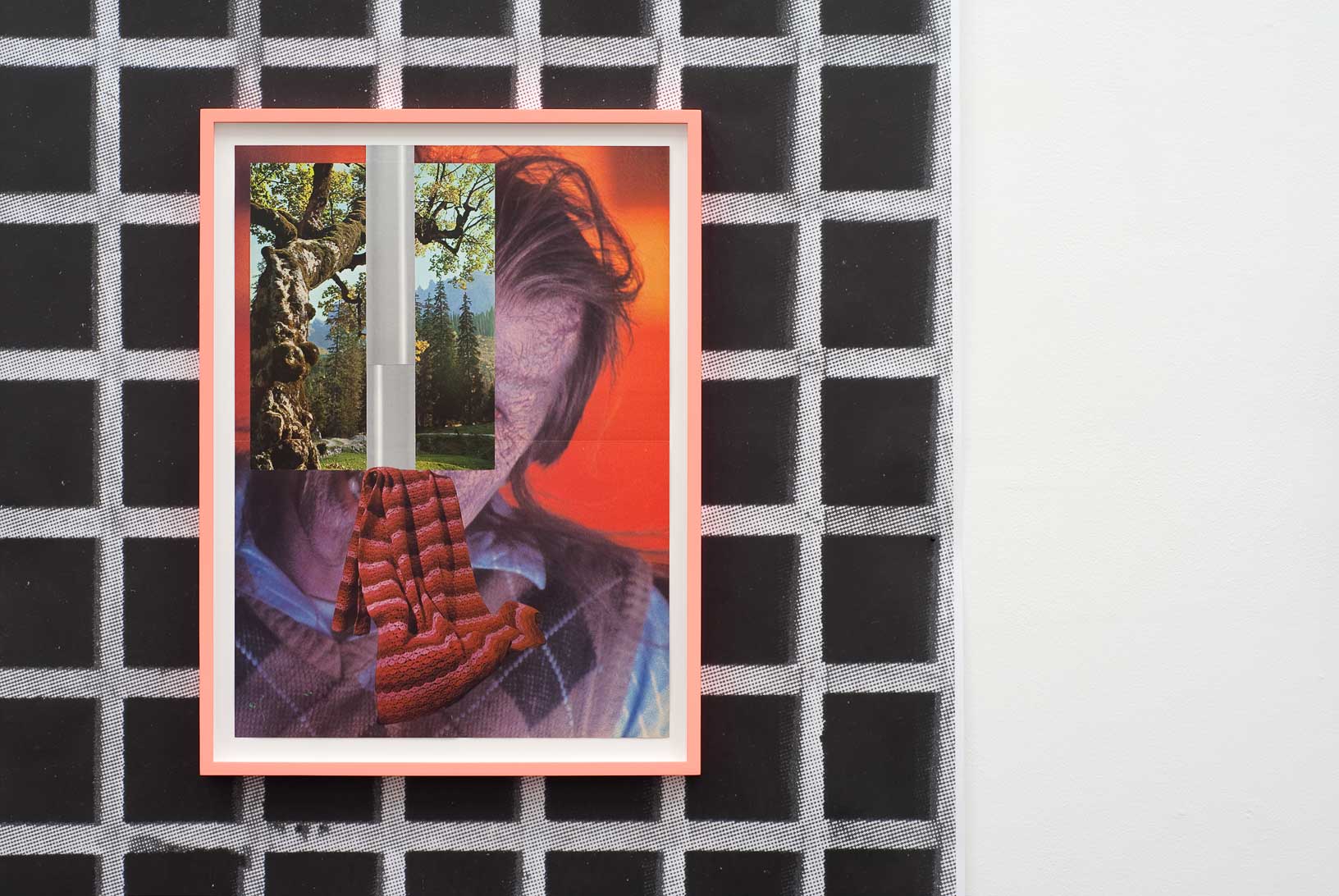
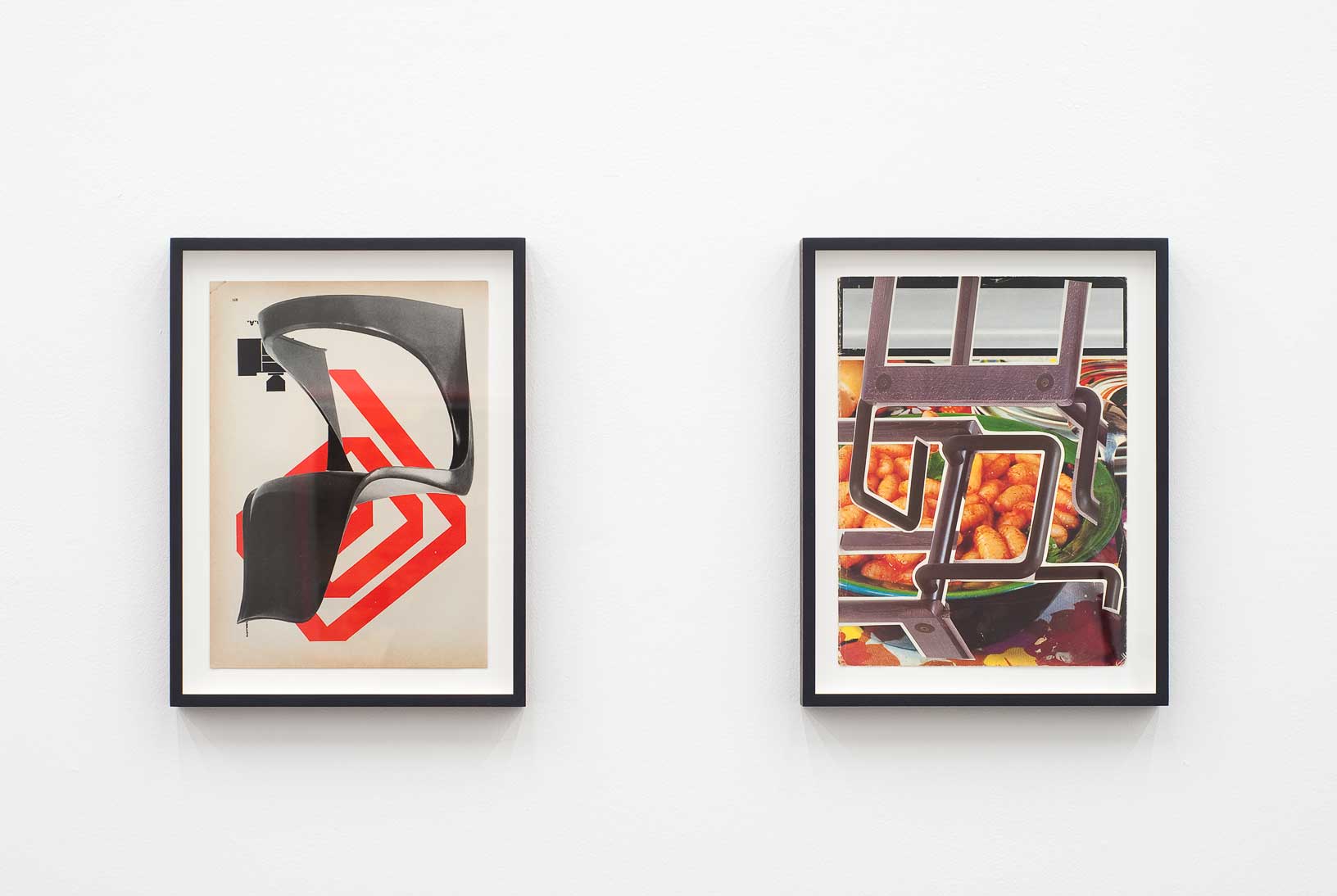
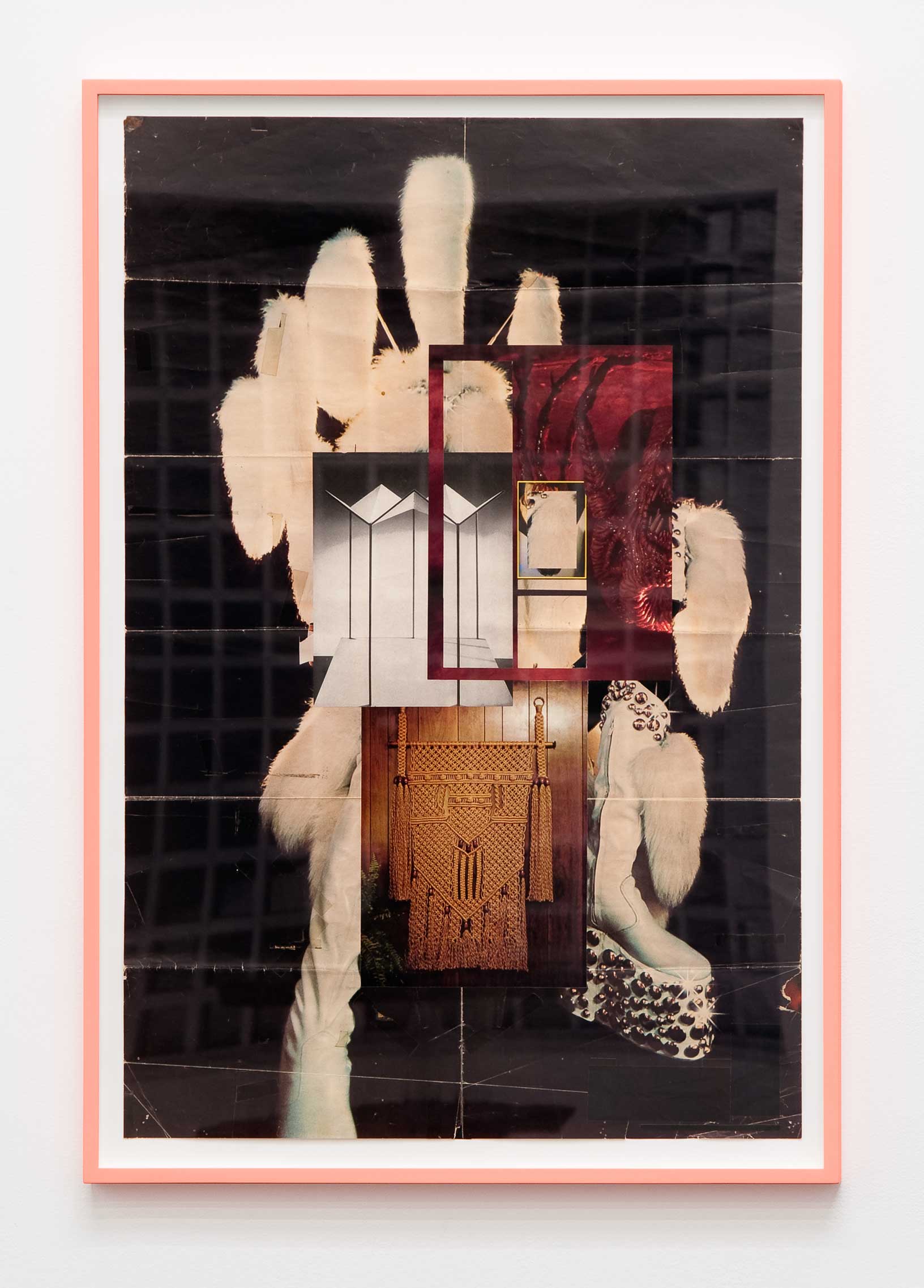
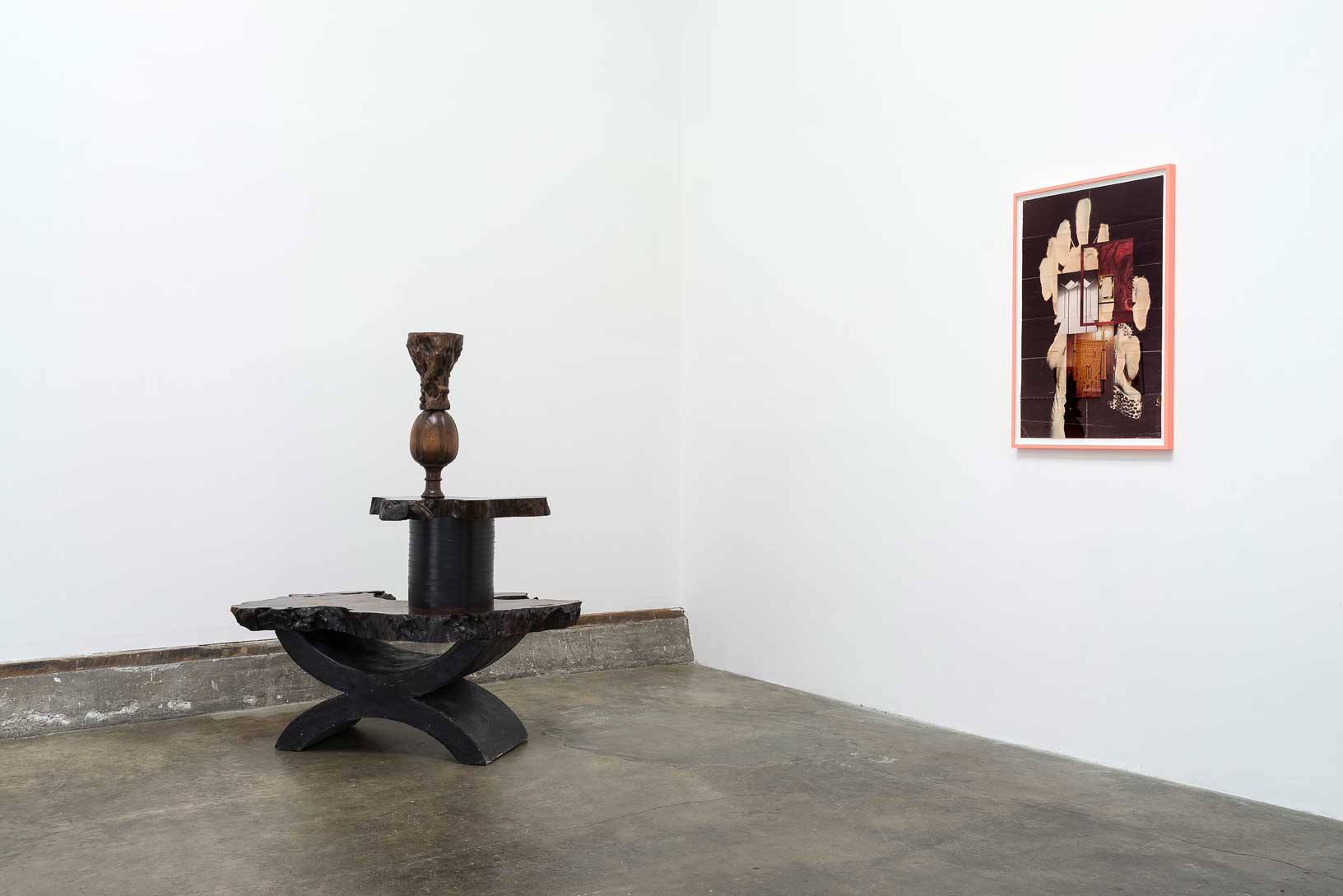
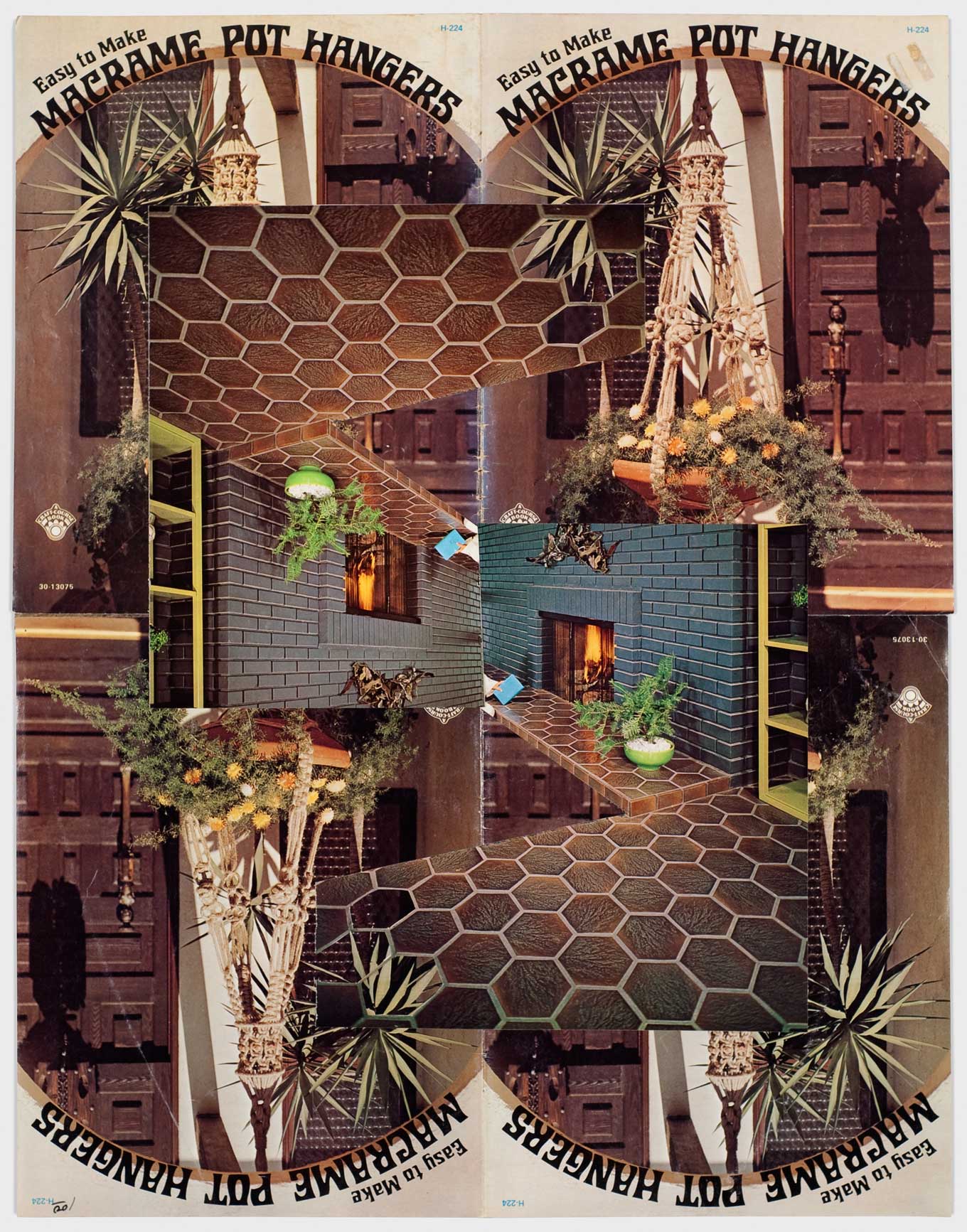
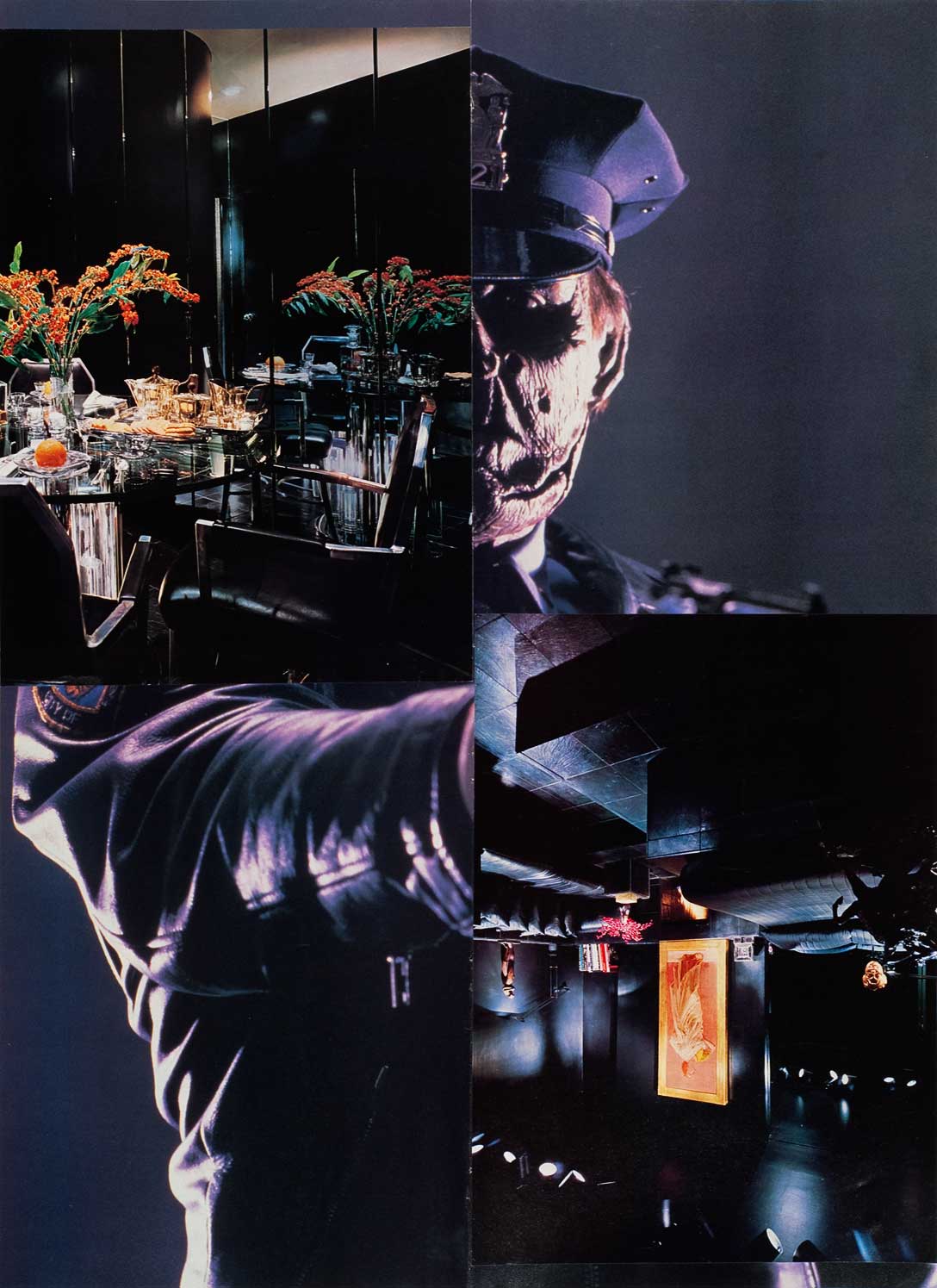
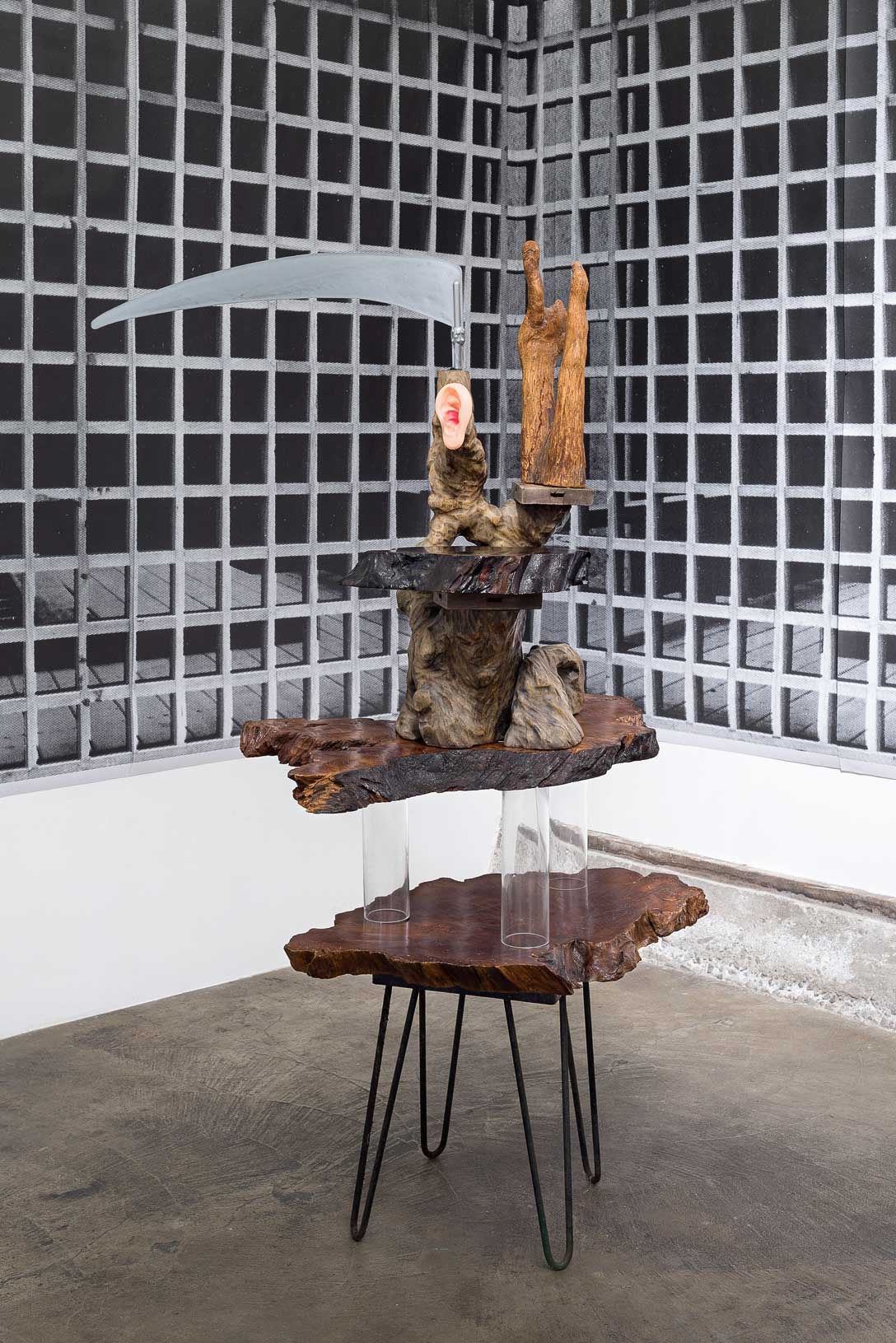
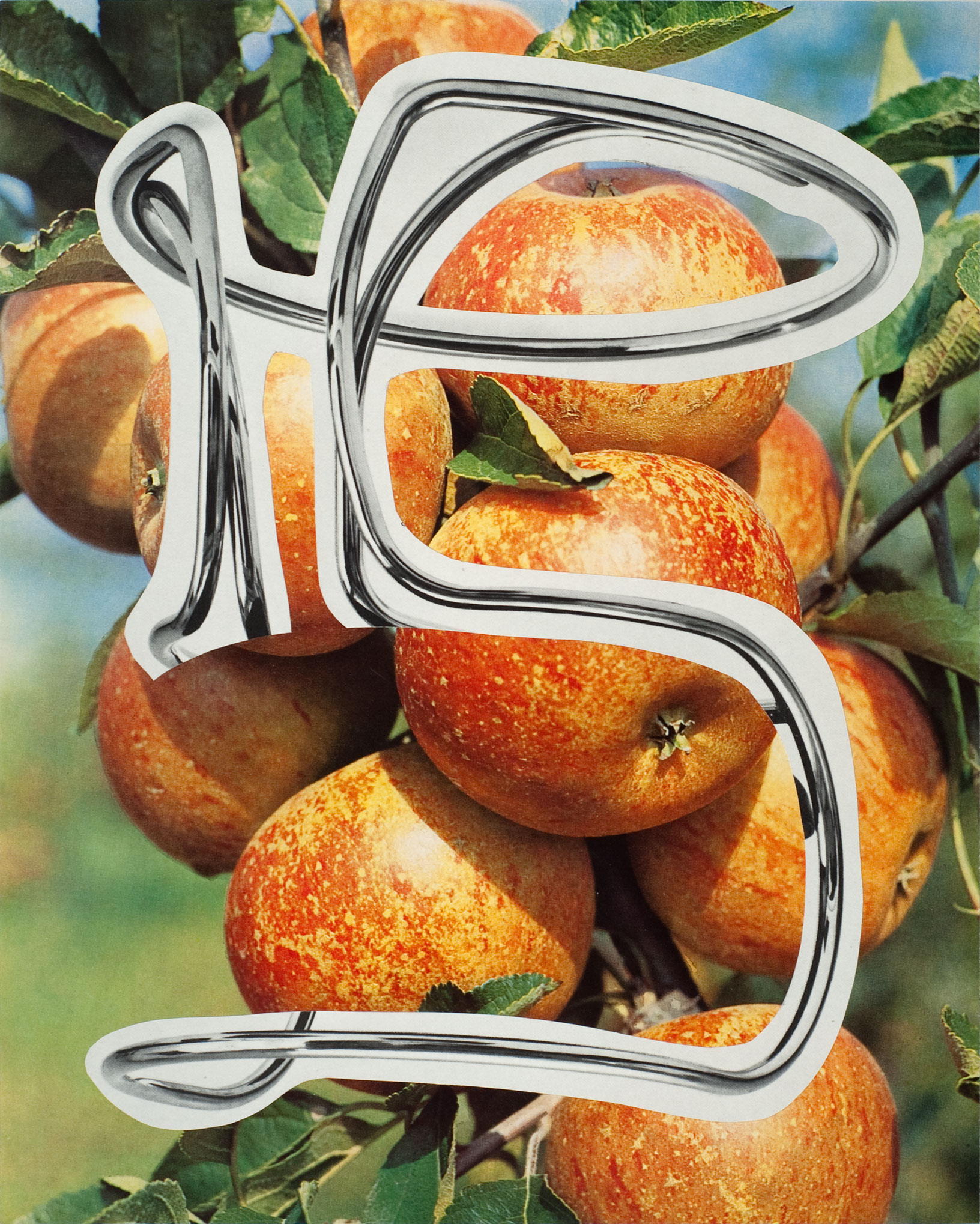
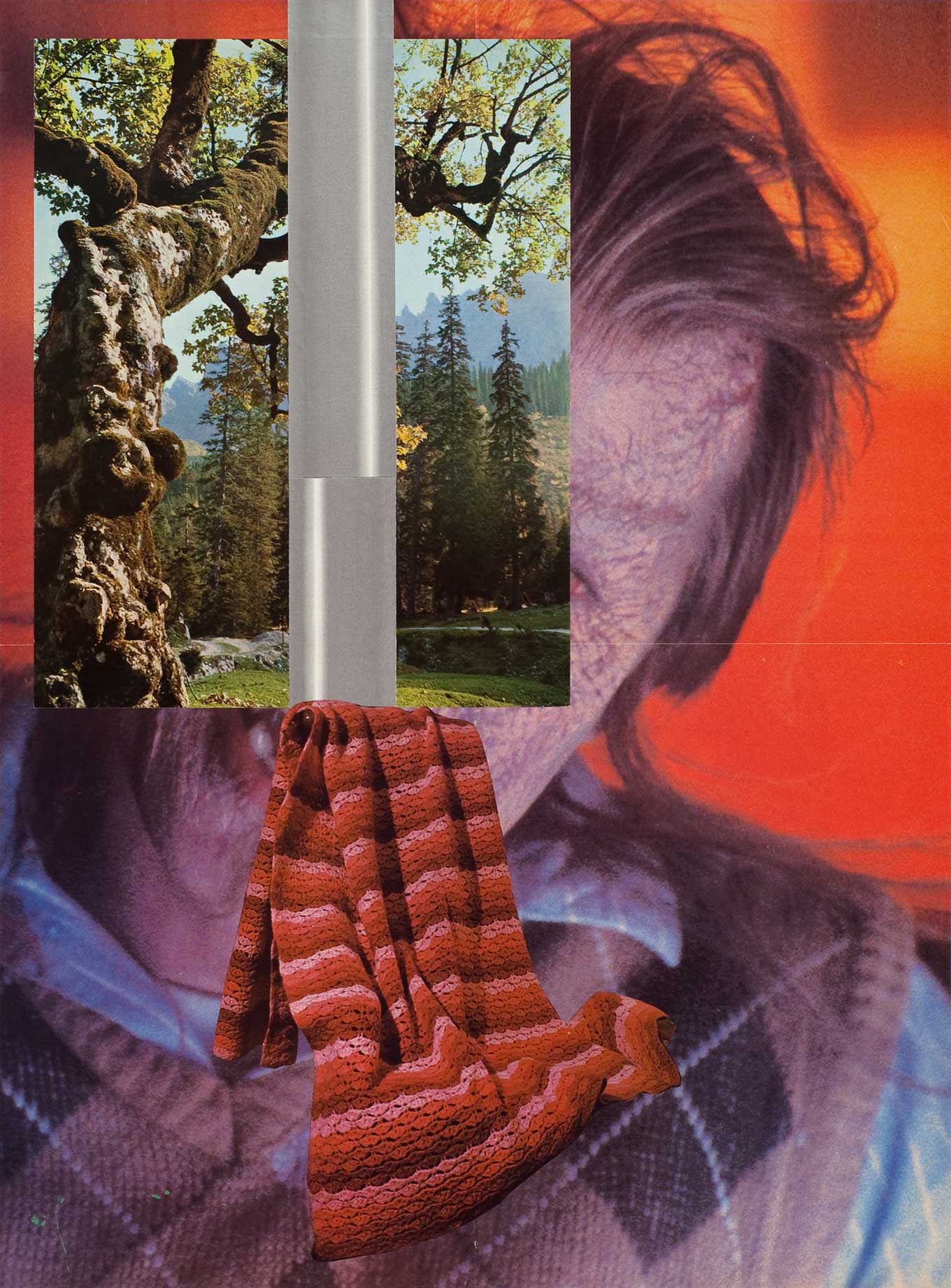
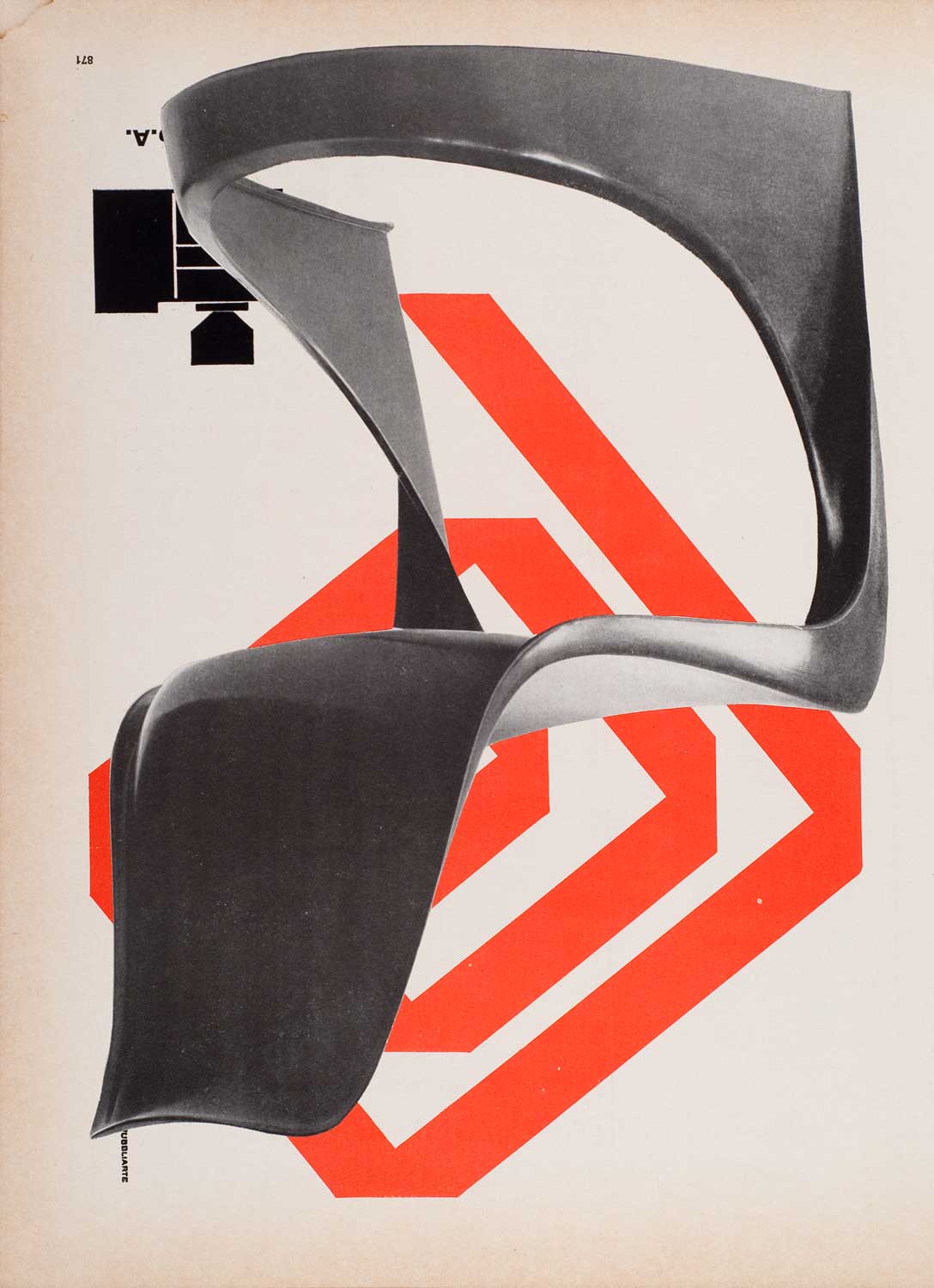
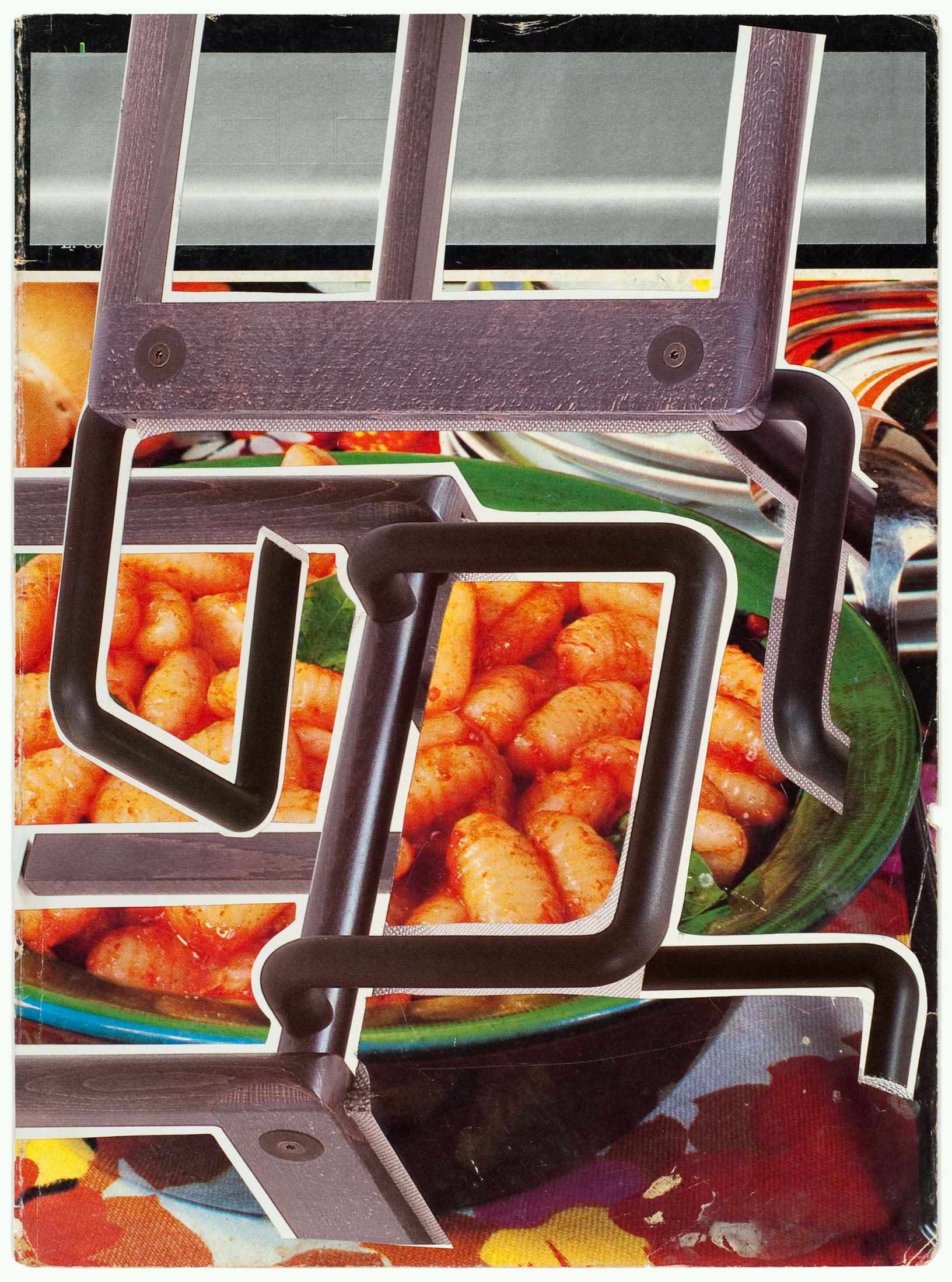
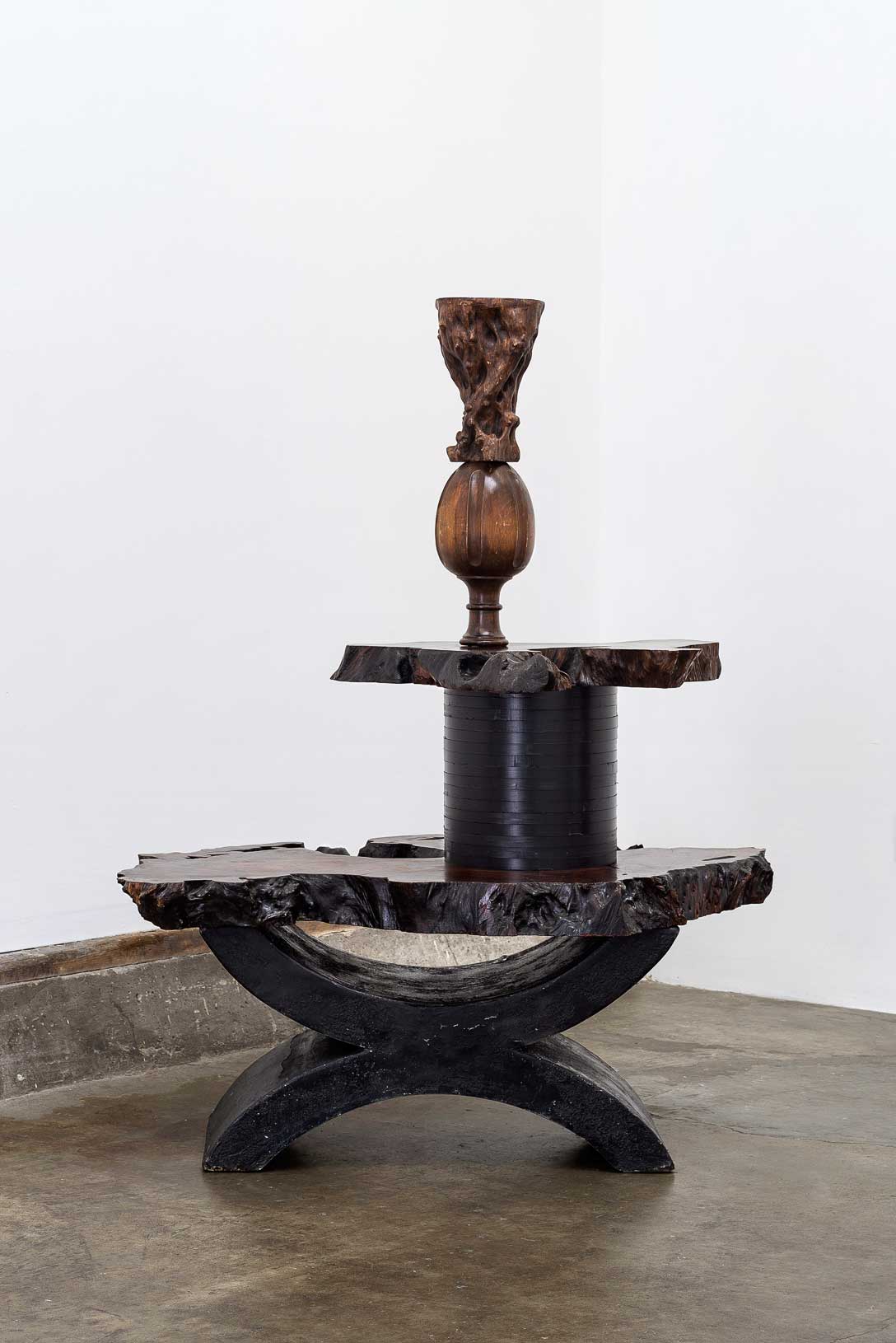
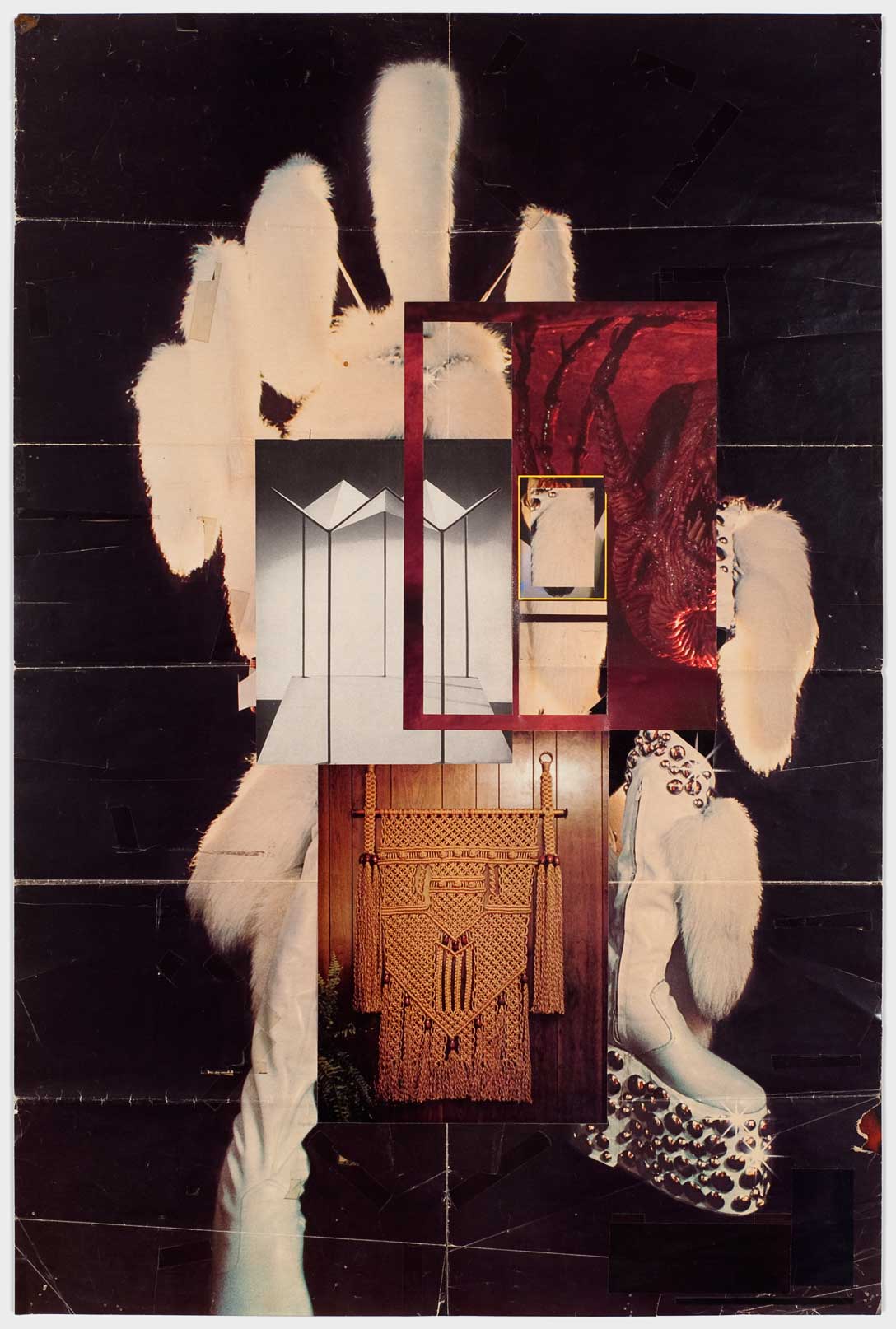
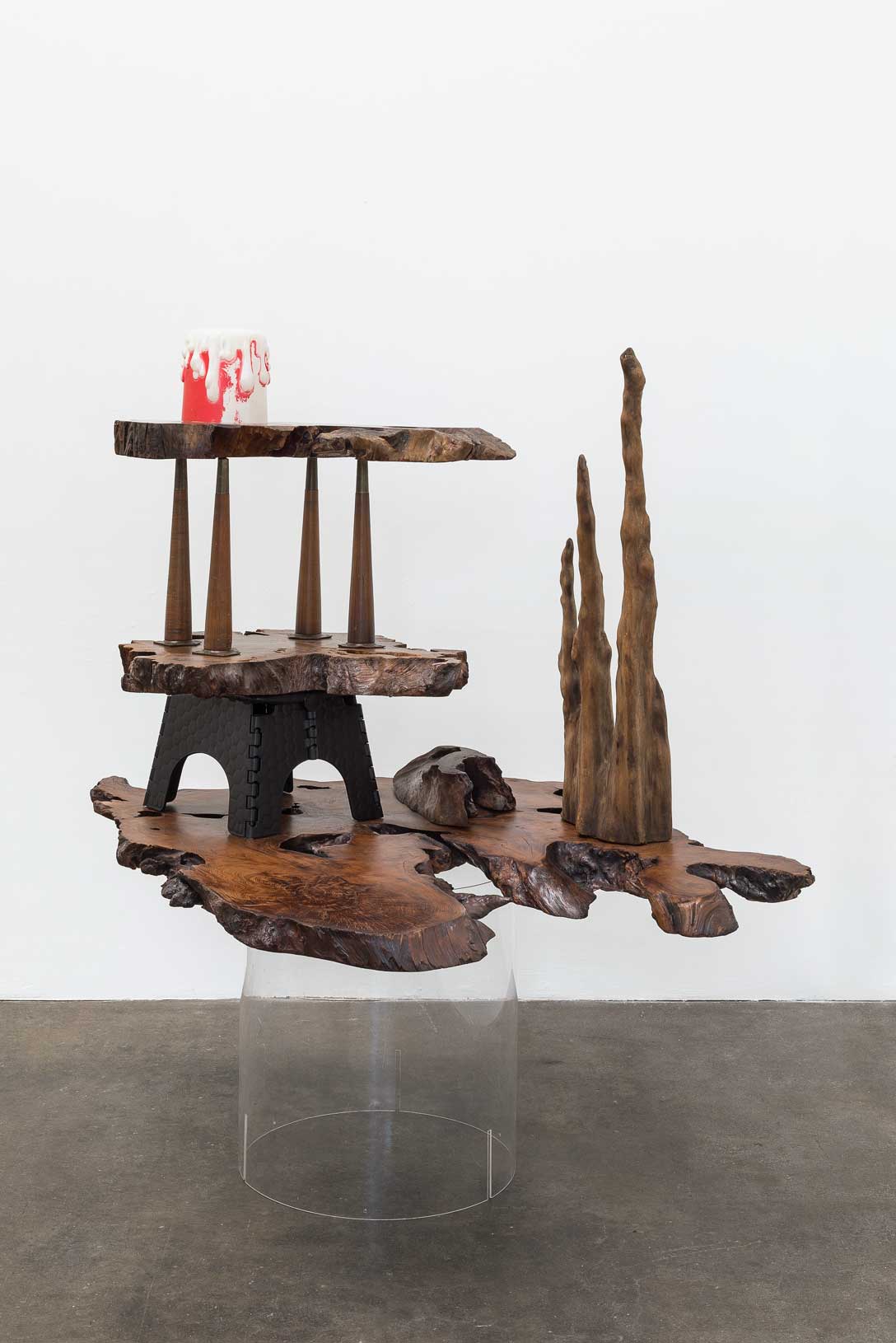
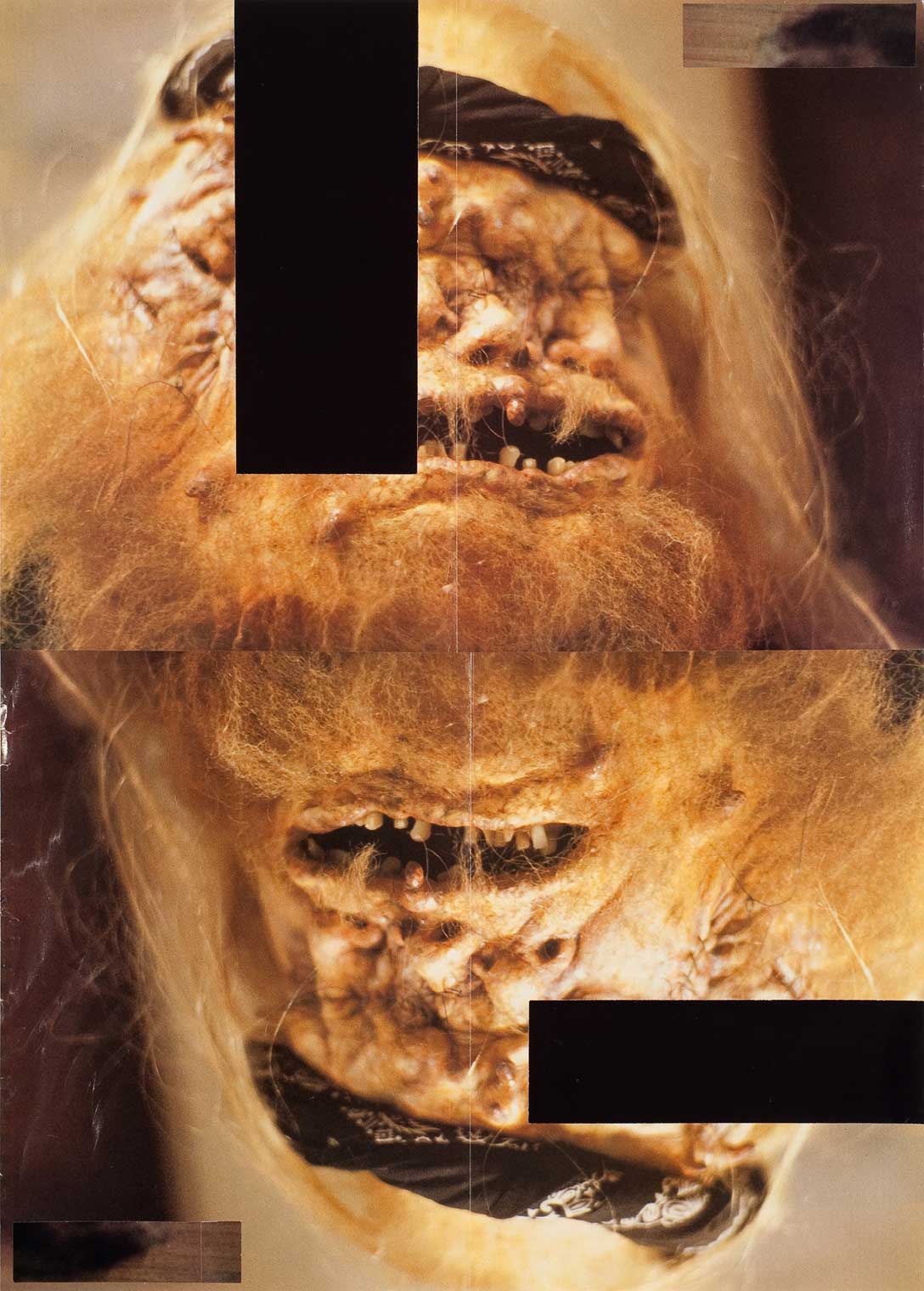
Macrame Pot Hangers, 24 ¼ X 19 ¼”, collage from found printed materials in artist´s frame, 2012Dark Energy, 24 ¼ X 18 ¼”, collage from found printed materials in artist´s frame, 2014 Swan, 64 X 42 X 20″ burl slabs, wood, steel, Masonite, glass, plastic, beeswax, 2014 Cell, 230 1/2 X 76 1/2″, xerox print, 2014Chrome, 13 ⅝ X 11 3⁄16″, cut paper collage from found printed materials, 2014Silver Pipe, 24 ¼ X 18 ¼”, collage from found printed materials in artist´s frame, 2014Black and Red, 13 ⅝ X 10 ⅜”, cut paper collage from found printed materials, 2014Gnocchi, 13 ⅝ X 10 ⅝”, cut paper collage from found printed materials, 2014X, 57 X 48 X 30″, burl slabs, wood, chip board, plastic, spray paint, beeswax, 2014Space, 24 ⅜ X 35 ½”, collage from found printed materials in artist´s frame, 2014Mass, 55 X 55 X 40″, burl slabs, Plexiglas, plastic, wood, metal, cardboard, beeswax, 2014Black Bars, 24 ¼ X 18 ¼, collage from found printed materials in artist´s frame, 2013Forming, 120 X 42 X 61, plastic, Plexiglas, glass, mirrors, cut paper, ceramic, unfired clay, silicone, wax, talc, lenticular photographs, holograms, wood, tape, rubber bands, linen, concrete, steel, elastic, books, magazines, airbrush paint, ink jet prints, transparencies, posters, wallpaper, 2012-2014
Matt Borruso
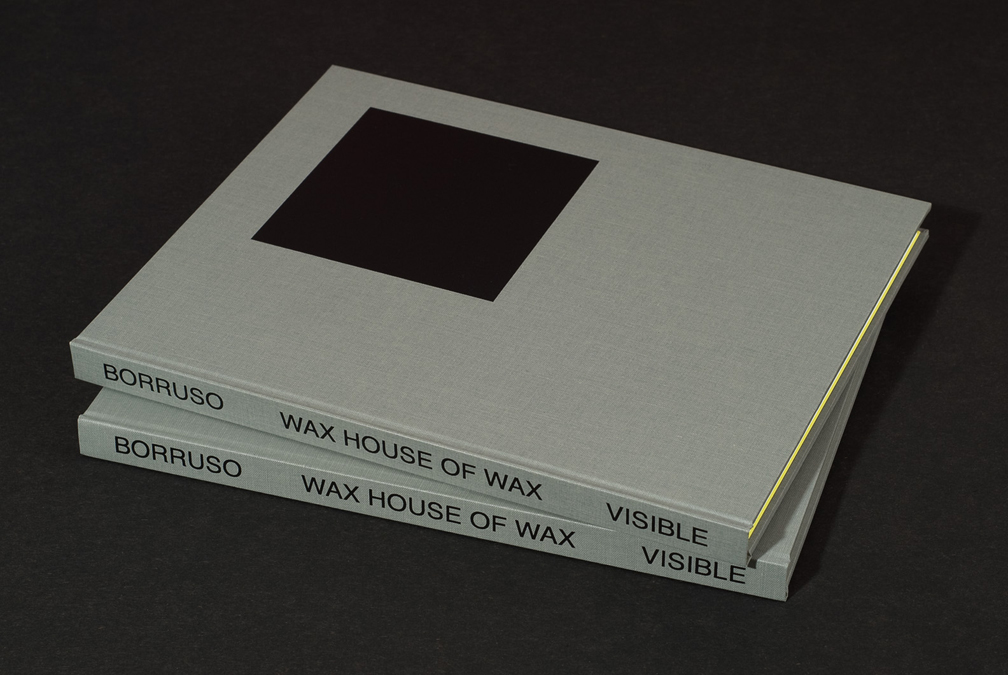
Wax House of Wax
September 13–October 25, 2014
Opening Reception: Saturday, September 13, 6–9pm
Steven Wolf Fine Arts
2747A 19th Street
San Francisco, CA 94110
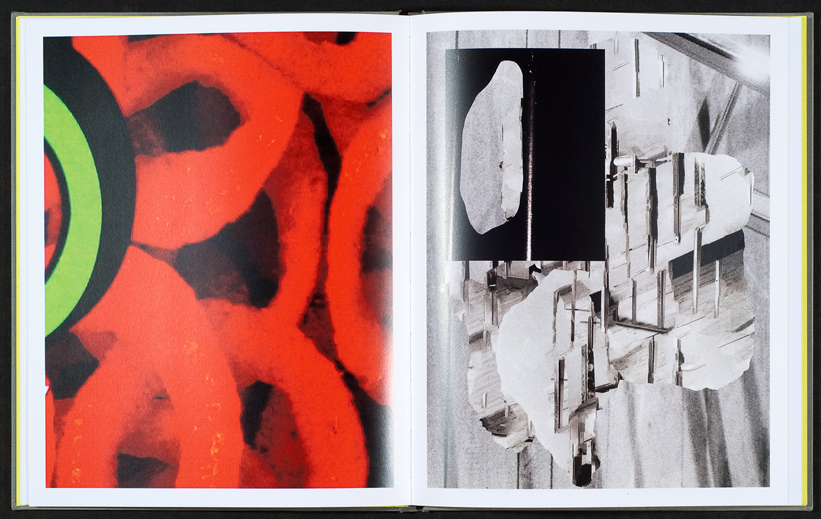
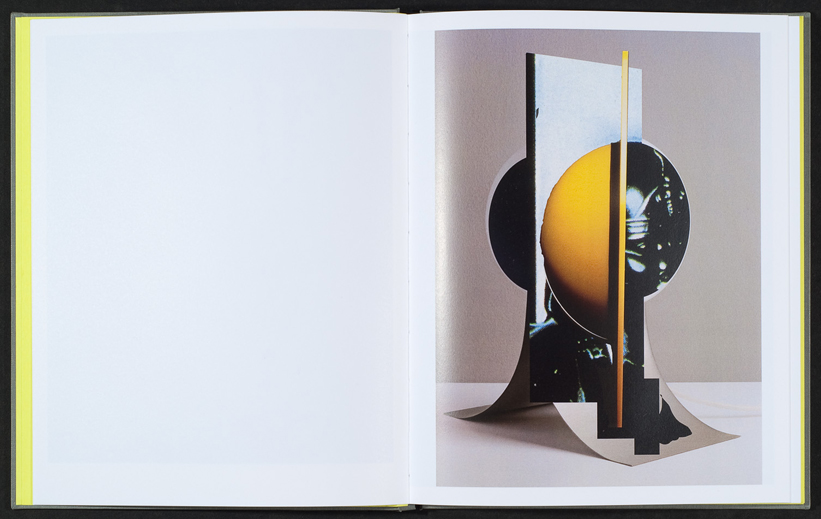
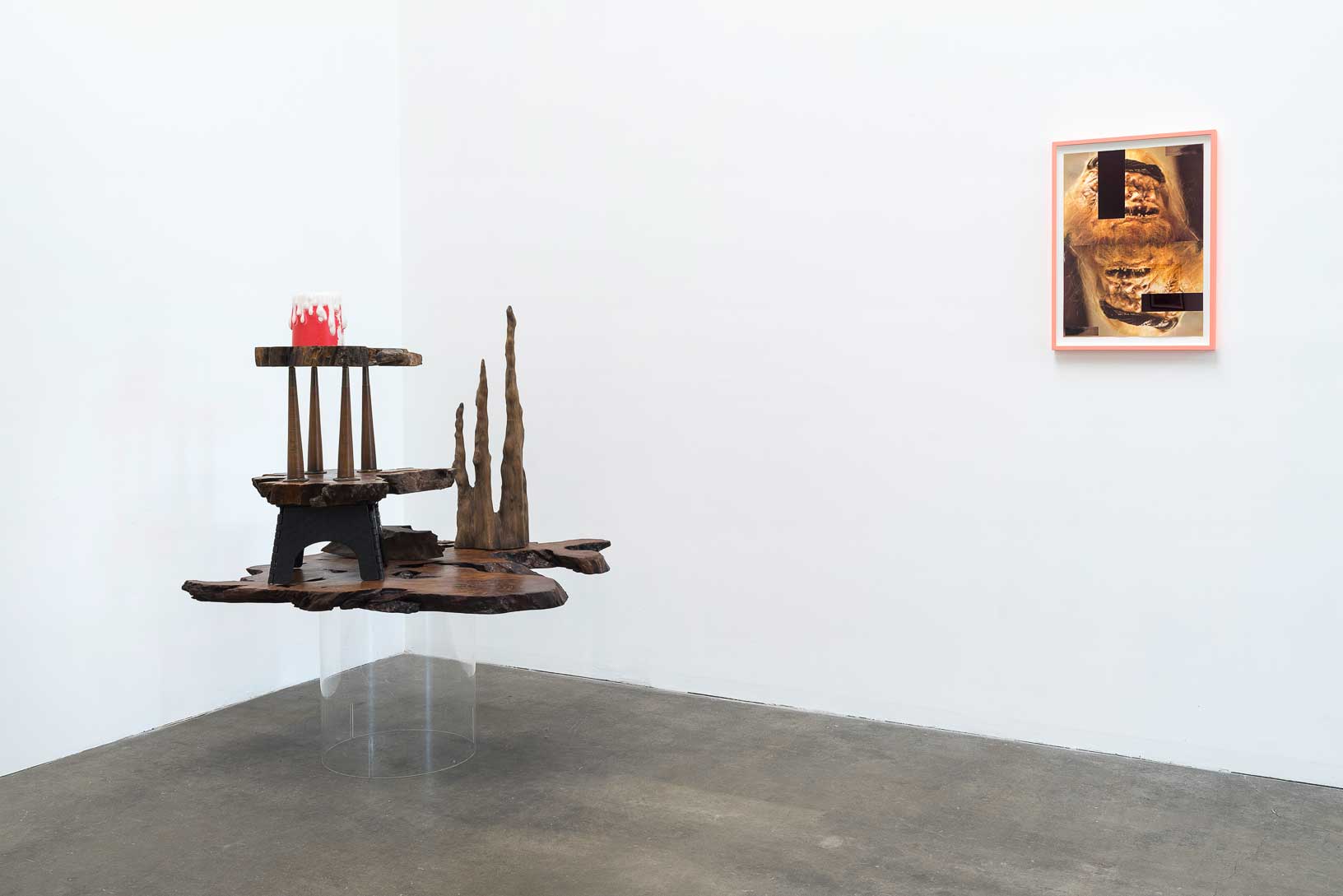
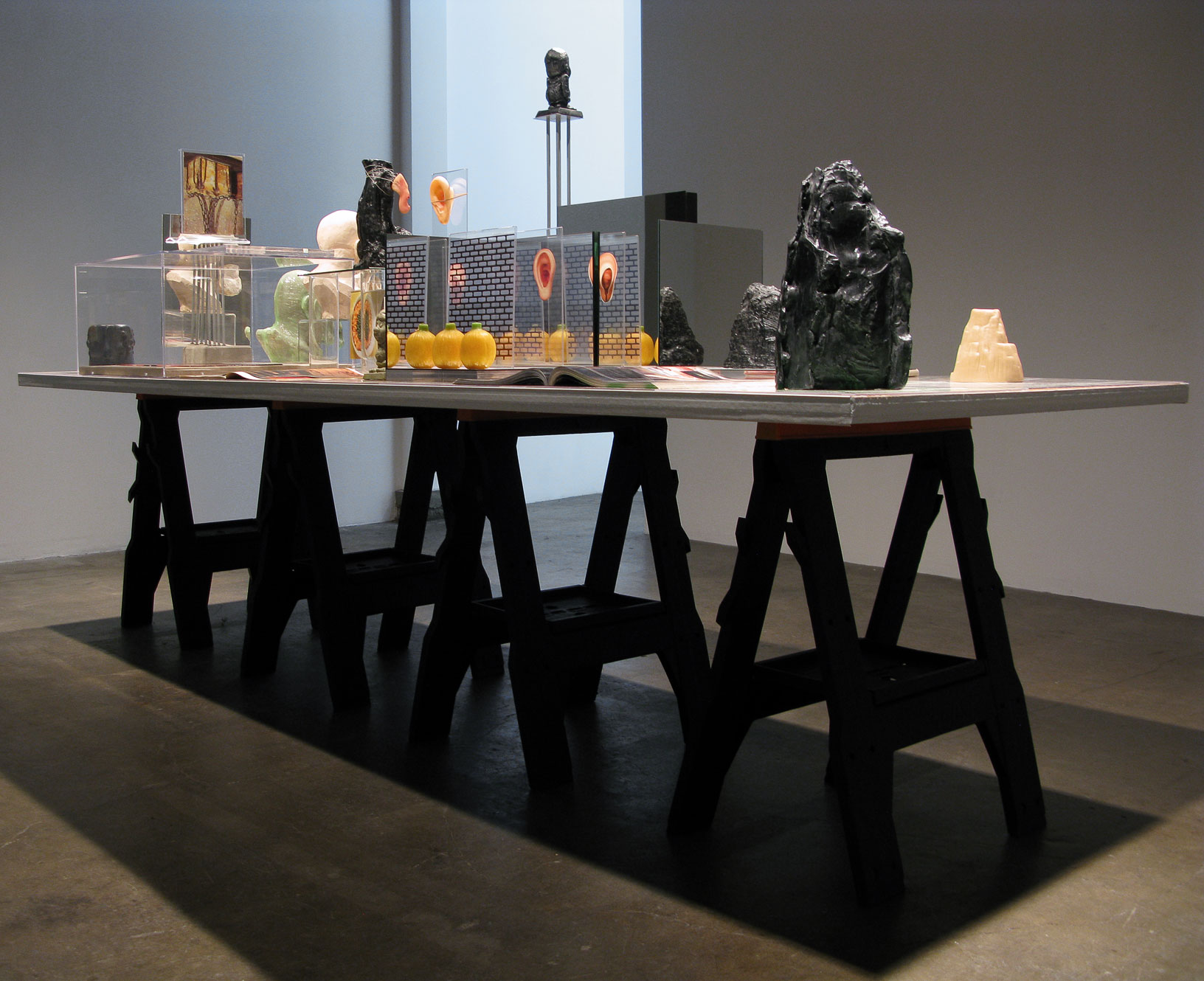
Steven Wolf Fine Arts presents Wax House of Wax, an exhibition of new work by San Francisco based
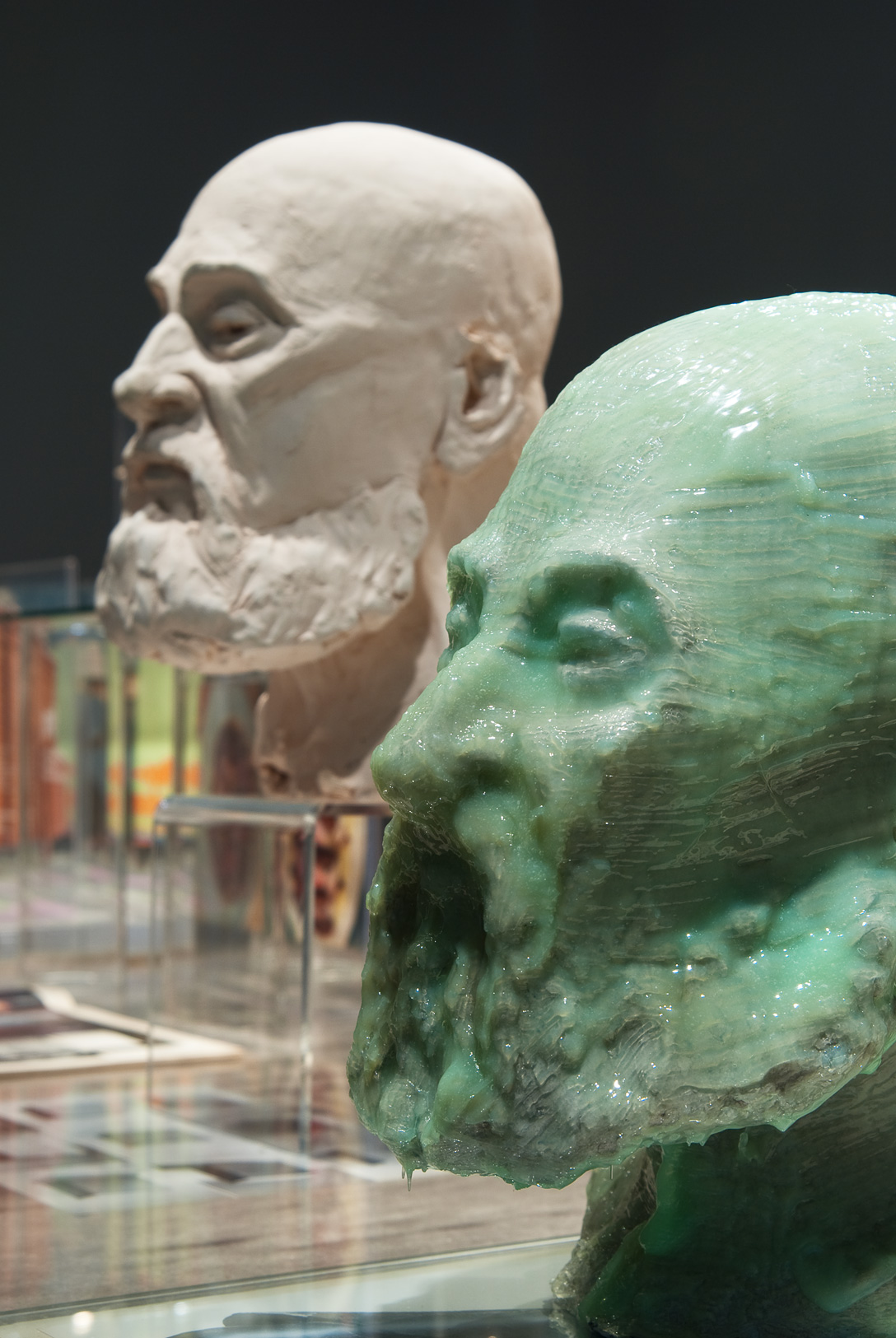
artist Matt Borruso. The sculptures, collages, prints and paintings Borruso has constructed for this
exhibition gather numerous disparate elements to form an uncanny personal universe.
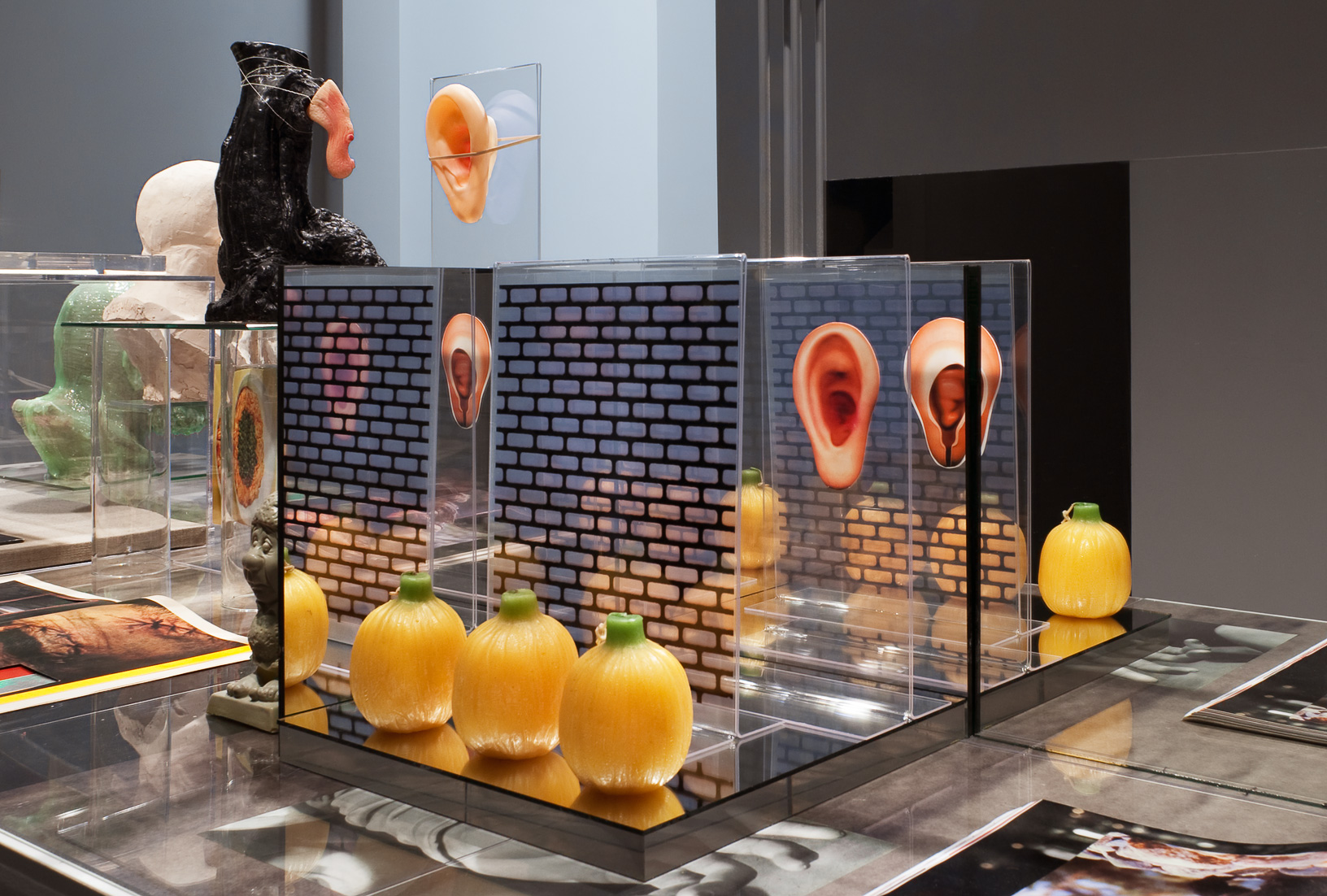
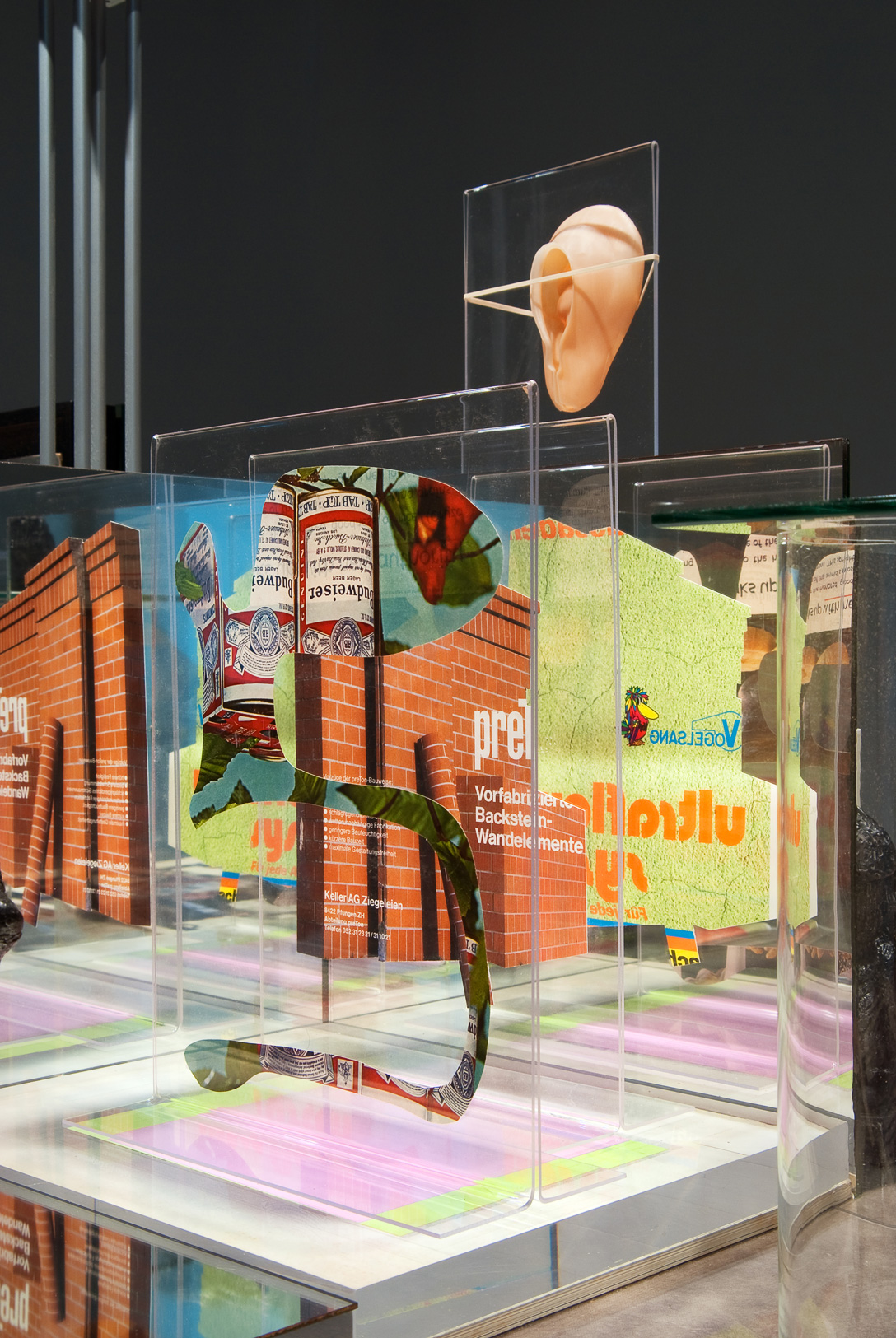
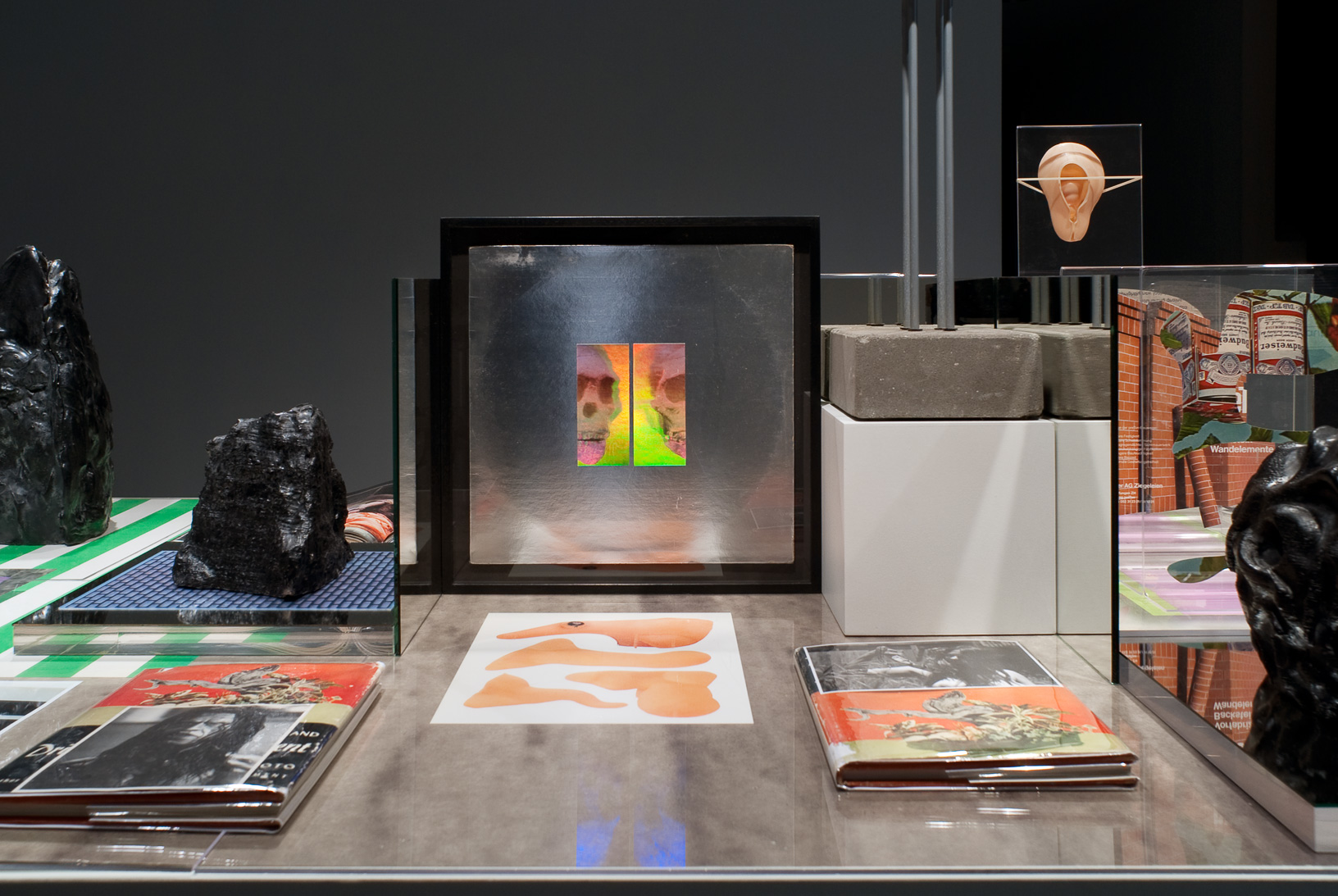
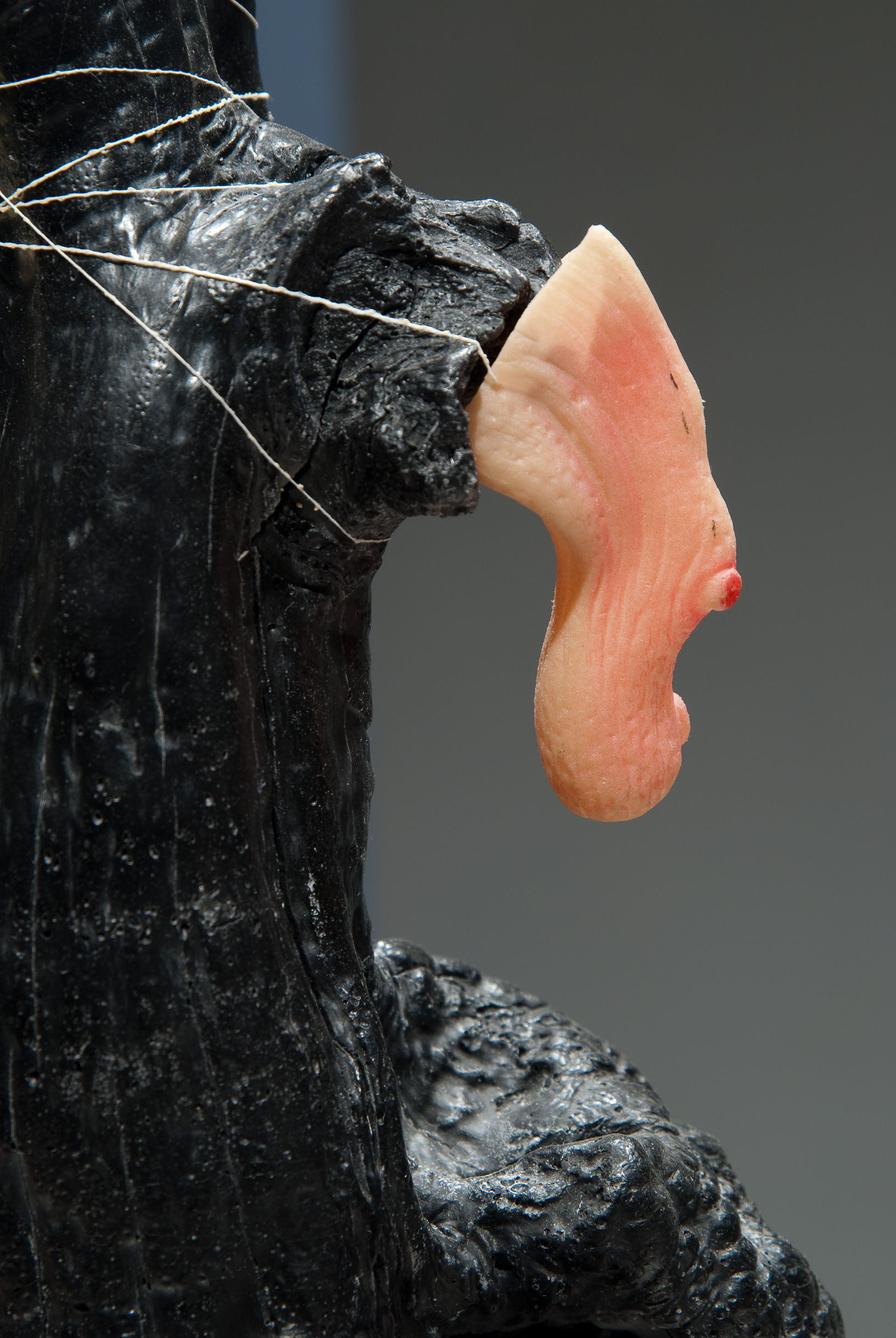
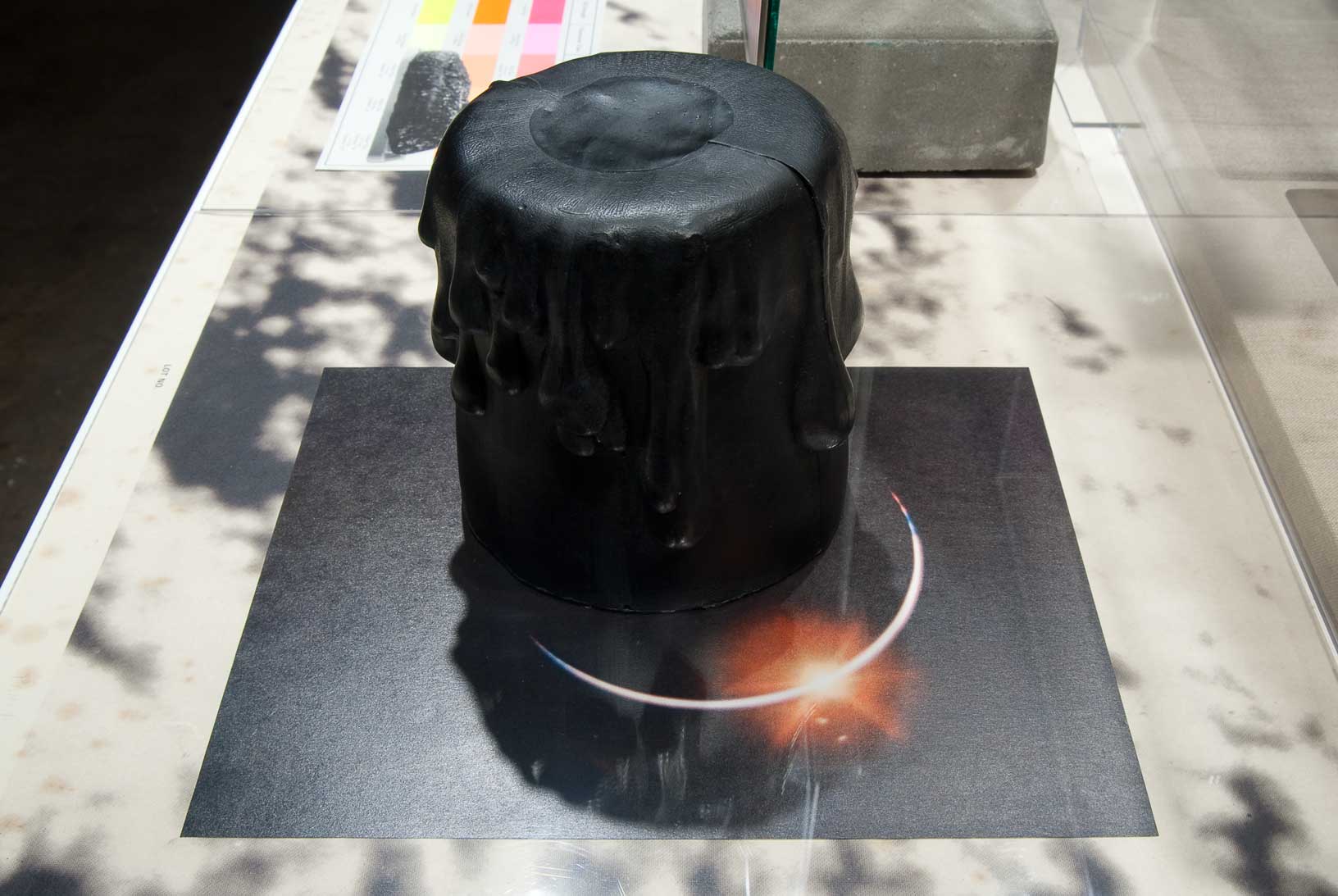
In the main space, slabs of polished burl are paired with plastic reproductions of ears, candles and
scythes. These precarious arrangements are supported by chipboard table bases and Plexiglas tubes.
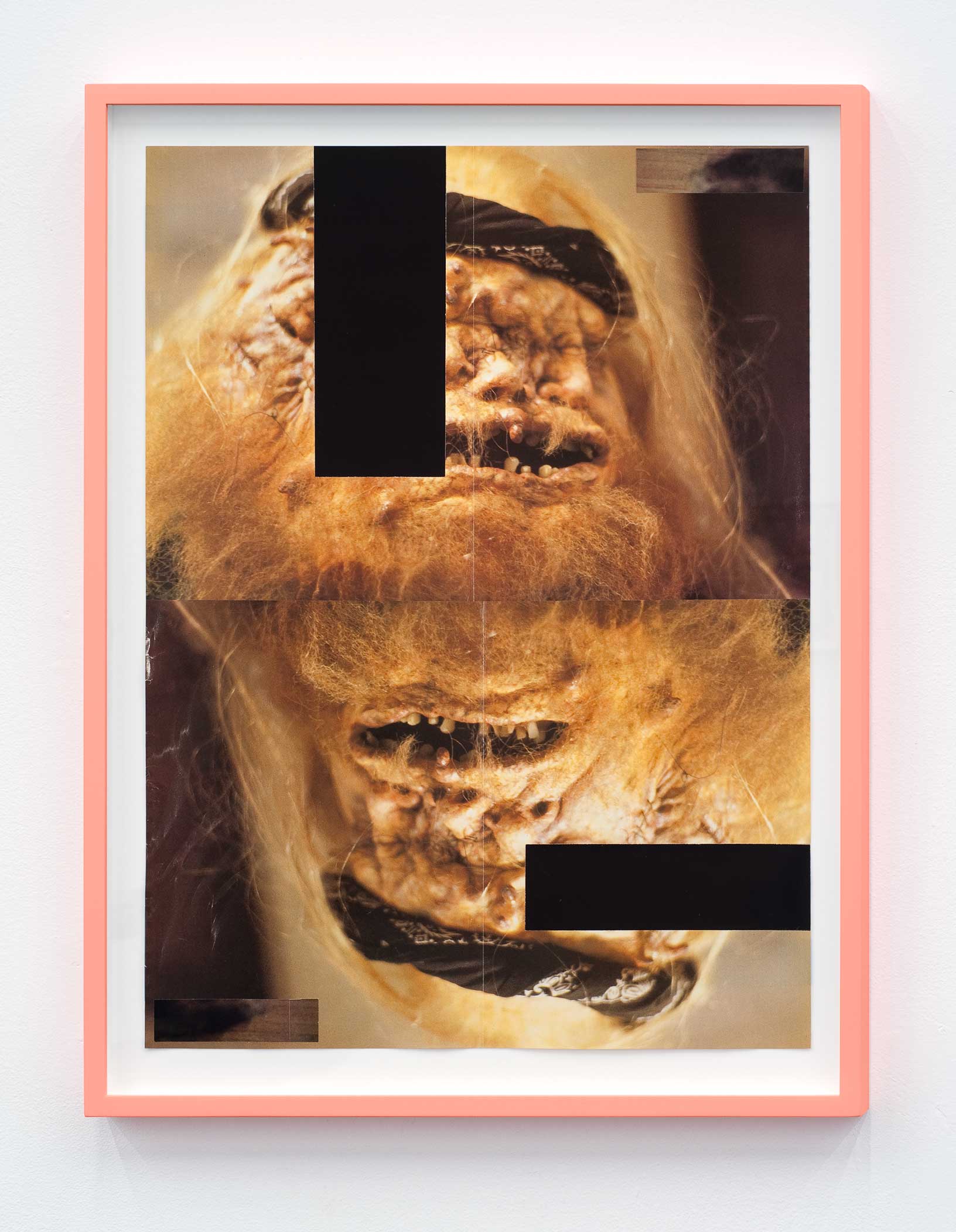
Surrounding them are images of the fantastic and domestic: macramé pot hangers, latex monster film
props, feather boas, chrome furniture. Pages from how-to photography books and European cooking
magazines have been incised and effaced, while posters bearing the devotion and abuse of past fans
have been reoriented, their figures redacted and their seams amplified.
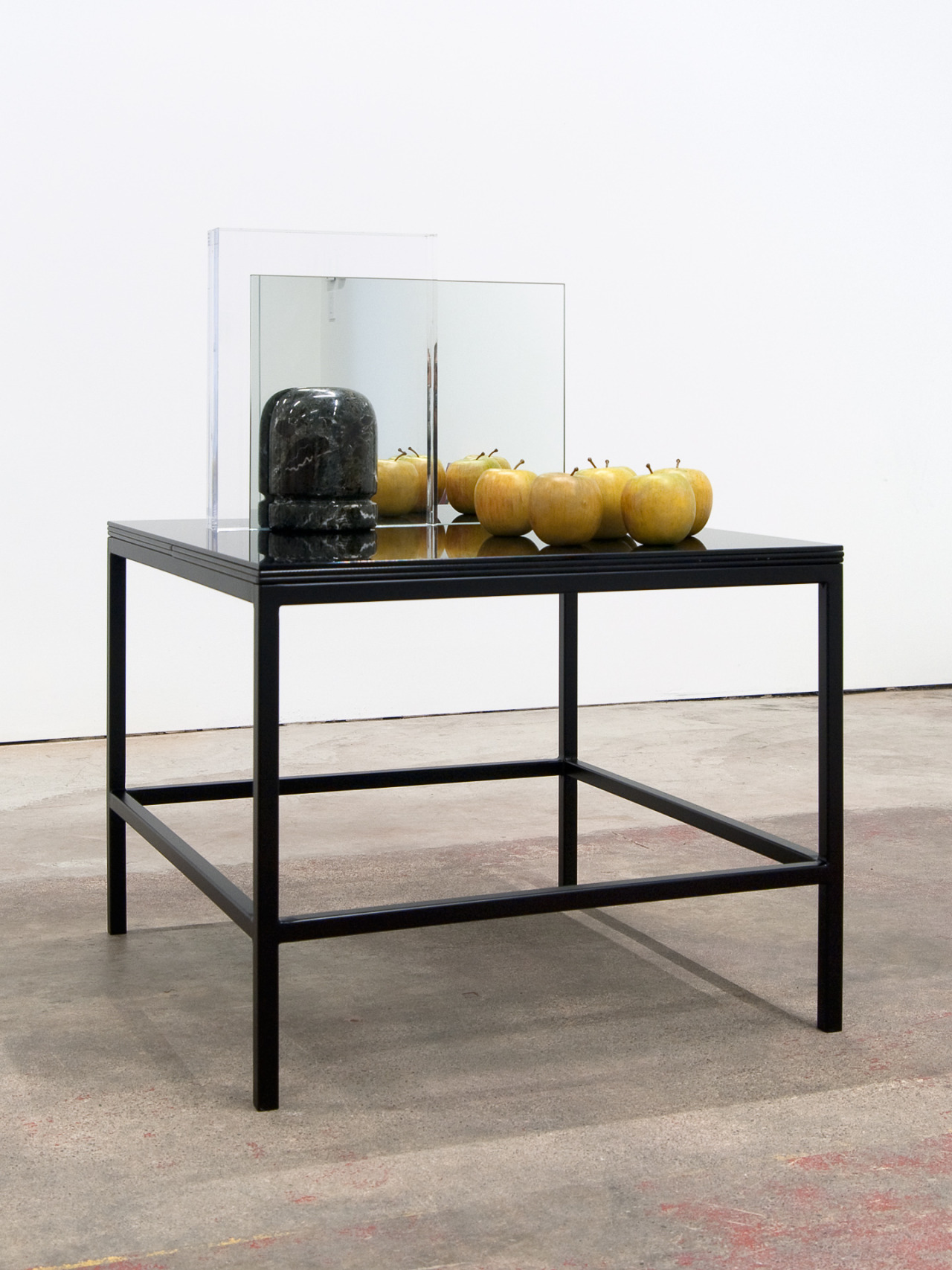
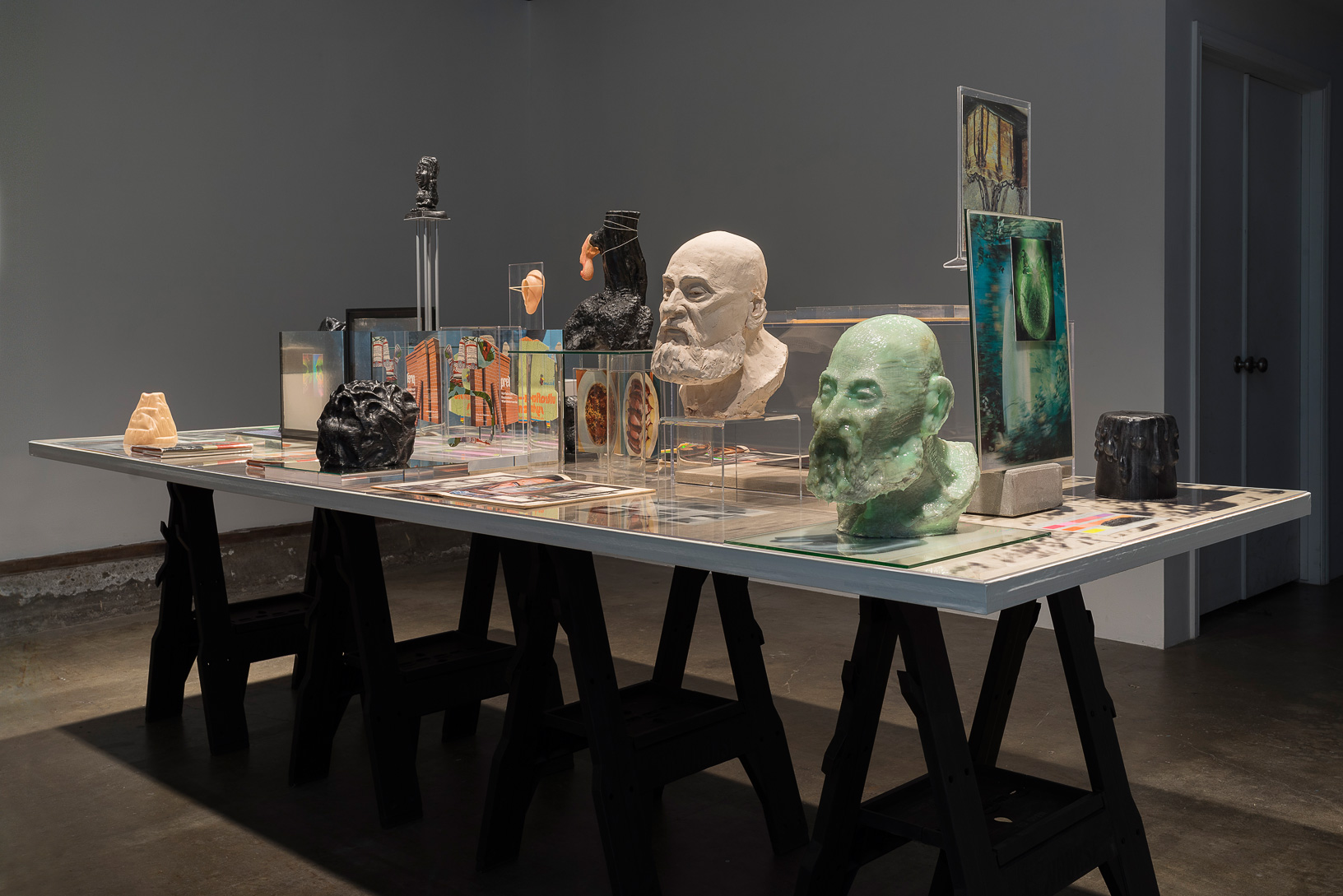
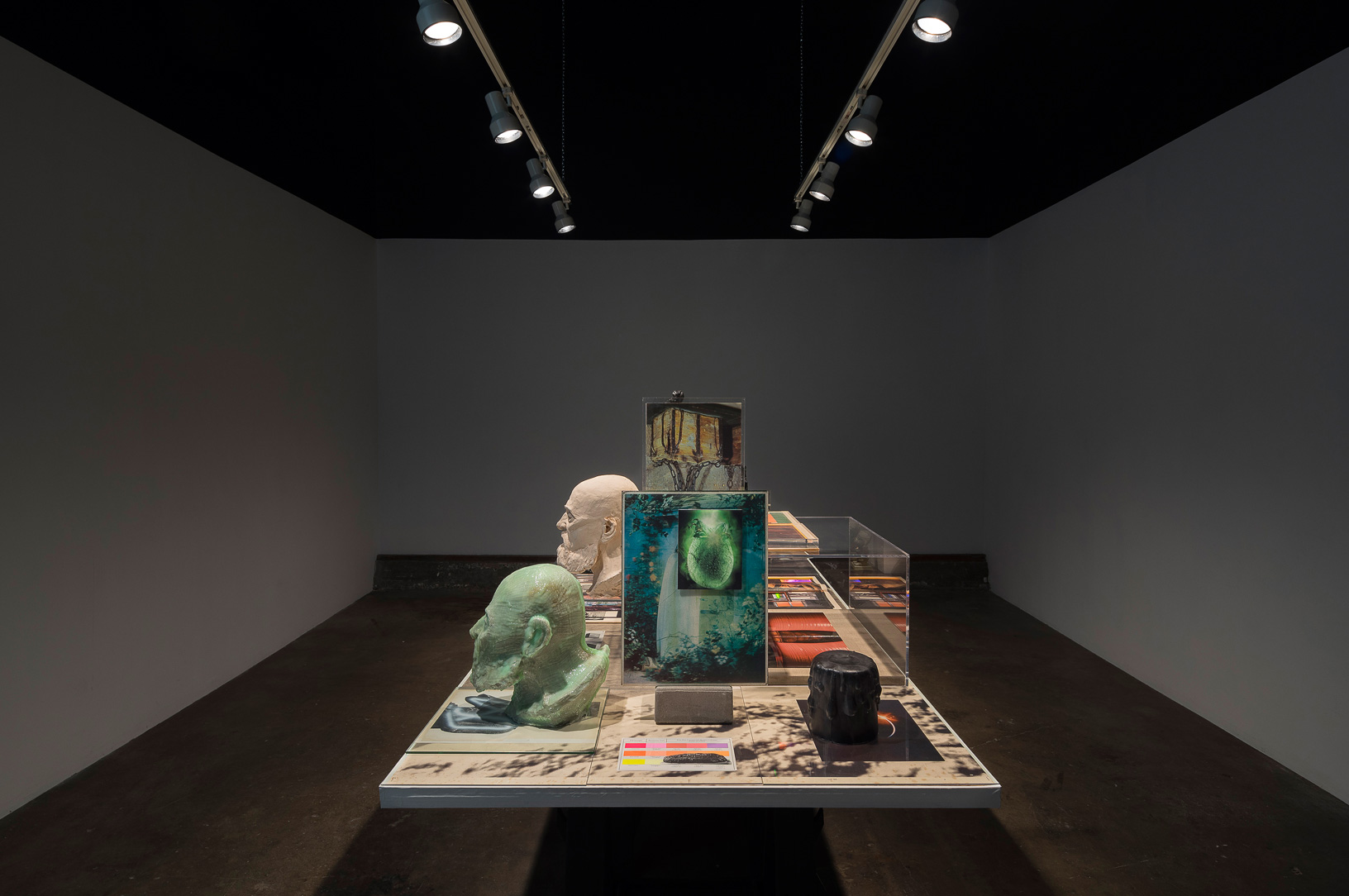
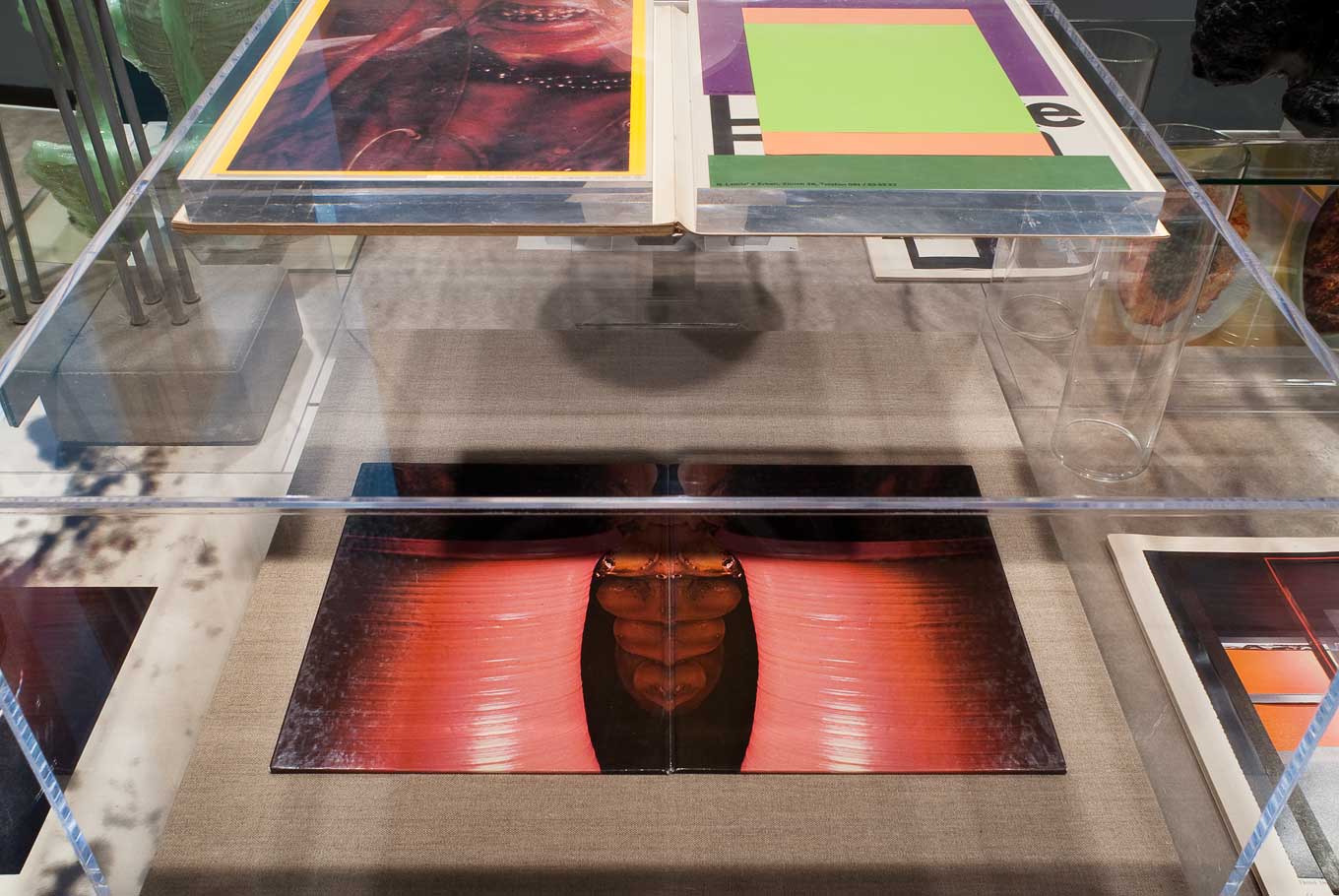
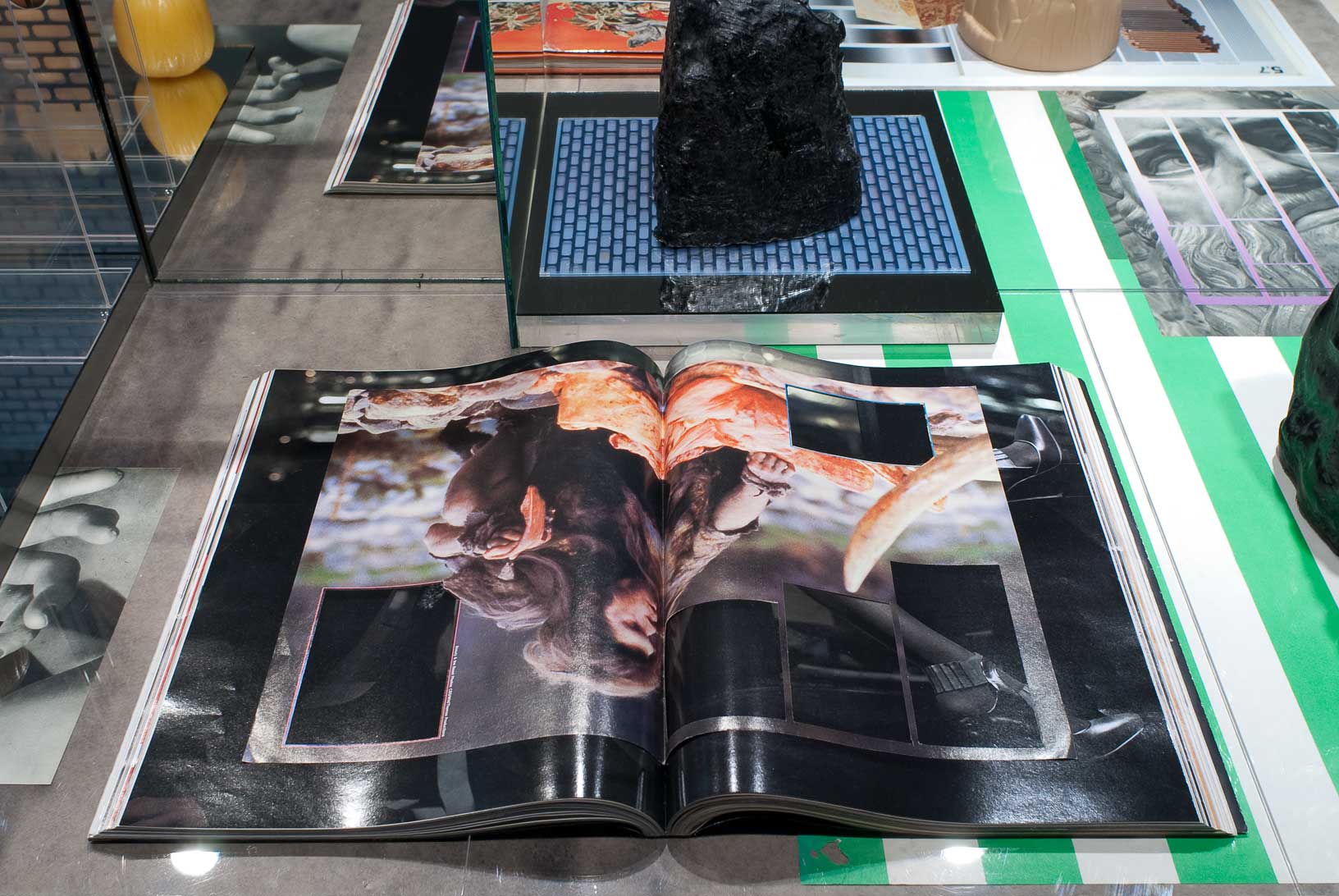
In the second room numerous objects are set on a single table: some found, others have been
mechanically cast in black wax. Magazines lay open, the two-dimensional images on their pages sliced
apart and remade as sculptural components. Replicated in mirrors, their display is both vertical and
horizontal, drooping and laid out flat. Finally they enter the reaching non-space of multiplied
reflections.
The storage problems facing most families are the result of an increase in the volume of items
to be stored without a proportionate increase in space. As your family grows and interests
expand, so does the demand for storage. But unless you have enlarged your home to keep
pace with your family’s growth, the total storage area has not changed; the units have only
become more crowded.
—Sunset Ideas for Storage in Your Home1
Thus there is in the life of a collector a dialectical tension between the poles of
order and disorder.—Walter Benjamin2
Scanners: About
“Scanners is a month-long used bookstore project that highlights the book as a physical object
in an increasingly dematerialized world.”3
Nick Hoff and I wrote this brief sentence in an attempt to succinctly describe the Scanners project, which
would take place during October 2011 at the Mina Dresden Gallery on Valencia Street in San Francisco.
As I recall, it took an extremely long time to write, as we were both trying to define something that had
not yet happened. What follows is an expanded version of that description from my perspective,
incorporating both hindsight and the connections that have emerged between the Scanners project and
my numerous collections.
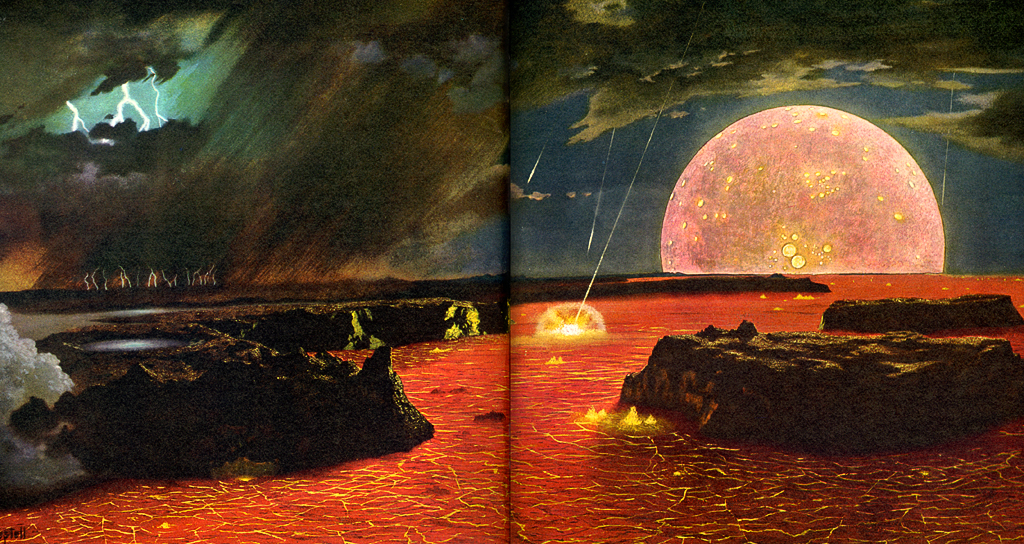
“Rivers of molten stone flow across the earth as lava erupts to the surface through weak points in the cooling crust,” in The World We Live In Volume 1: The First Four Billion Years (New York: Time-Life, 1963).
Scanners: Indeterminate Objects
While the focus at Scanners was set squarely on the physical object, this object was almost always a
book whose nature was bound up in questions of its purpose and/or value. It was a book that was
undecided. This type of book inspired the Scanners project and continues to inspire my personal
collection.
An example of an undecided book might be The World We Live In, Volume 1: The First Four Billion Years
(1962). It’s a Time-Life publication with an evocative cover illustration by Chesley Bonestell, which
transports the viewer to a mid-twentieth-century imagining of a primeval Earth. The book does not supply
current information, it has no monetary value, and it’s far from rare (you can find a copy anywhere). But
it’s an object in which the lack of those qualities in no way diminishes its value as source material and
inspiration—qualities not rationalized by the market.
Scanners: Economic Models
Scanners grew out of the experiences Nick and I had in the used book business. Over the years, I have
bought and sold used and rare books and records regularly at flea markets in London, New York, and
San Francisco in support of my work as an artist. Likewise, Nick supports the work he does as a writer
and translator with his used book business. As a consequence of this part-time self-employment I have
built an extensive visual library that has become fully integrated into my studio projects.
The economics of the used book business was one of the many factors that led to the Scanners project.
When I first began selling books, they went straight to used bookstores or directly to customers at the
flea market. In the late 1990s, online bookselling on websites like Amazon, BookFinder, and AddALL
was in its infancy. Consequently, there was no definitive Internet database for establishing an
agreed-upon value or price for a title. Instead, this calculation was made using an informal knowledge
base developed by booksellers, collectors, and book scouts. The price of a book was determined through
experience, word of mouth, and, most importantly, through an interaction with the book itself. It was a
knowledge gained through the direct handling of a physical object.
With the rise of the Internet marketplace, Nick and I eventually built substantial book inventories online. In
addition, we’ve maintained a stall at the Alemany Flea Market in San Francisco for nearly fifteen years.
But Amazon changed what and how we sold. Books that had a substantial economic value no longer went
to bookstores or the flea market but instead were listed online. And yet it was the books that remained in
our possession—these indeterminate books that were deemed to have no value on Amazon (and often by
the bookstores)—that were frequently the most interesting.
Scanners store interior, 2011.
Scanners: Valuation
In a short time, our knowledge, research, and training in recognizing the value of a good or interesting
book had been supplanted by an algorithm created by Amazon. This algorithm dispensed with taste and
knowledge in favor of the lowest price and/or highest sales ranking. We knew that not all books could or
should be sorted this way, and we had years of experience in determining value by our own standards.
Suddenly, this approach was gone. With Scanners, we wanted to question this Internet database of
books as a small and artificially constructed space defined by money and popularity rather than
aesthetics or information. It was by no means the only space. We wanted to propose that determining
value could be based on something other than the lowest price.
As the outlet for books migrated from a physical space to a virtual space, methods of searching for books
also changed. This search, initially based on visual training and memory, gave way to a search based on
algorithms and databases and the increasing use of specific tools dependent on these databases. Enter
the term scanners, which refers both to a small USB device used to read a book’s bar code and to the
individual operating the device. The scanning tool is most often handheldbut can also be strapped to the
arm and operated by an index finger, melding human and machine. The resultant cyborgs flip through
books and bar codes like treasure hunters with metal detectors on a beach.
But we can see the problem here: bar codes only began to appear on books in the late 1970s. Does this
mean that books without a bar code have no value? To the scanner, both human and machine, they do not.
Scanners: Categories
“Sections in the store were left unmarked and organized according to their own internal logic,
leaving customers to discover patterns on their own. For example, philosophy and critical theory
were not alphabetized but followed paths of influence, while a Havelock-inspired “technologies of
the word” section spanned Homer, the invention of writing, Plato, oral culture, McLuhan, and
typography. The sections themselves were also arranged in a way that invited interpretation. One
run of sections, for instance, began with technologies of the word and ran through poetry,
philosophy, and literature.”—Nick Hoff4
Nick’s comments point to our different approaches when considering organizational strategies for Scanners.
While we both contributed to all sections of the store, Nick’s sections were more concerned with text while
mine were more concerned with images. Inverting the left brain/right brain duality, the store was organized
with visual materials on the left side and text primarily on the right. My sections were purposely left
unorganized. The section on art housed everything from Basil Wolverton and Sophie Calle to Isamu
Noguchi and popsicle-stick sculpture. I wanted to introduce the element of chance to the visual sections. I
wanted visitors to get in there and really look, and I was interested in the inadvertent juxtapositions that
might be uncovered as a result.
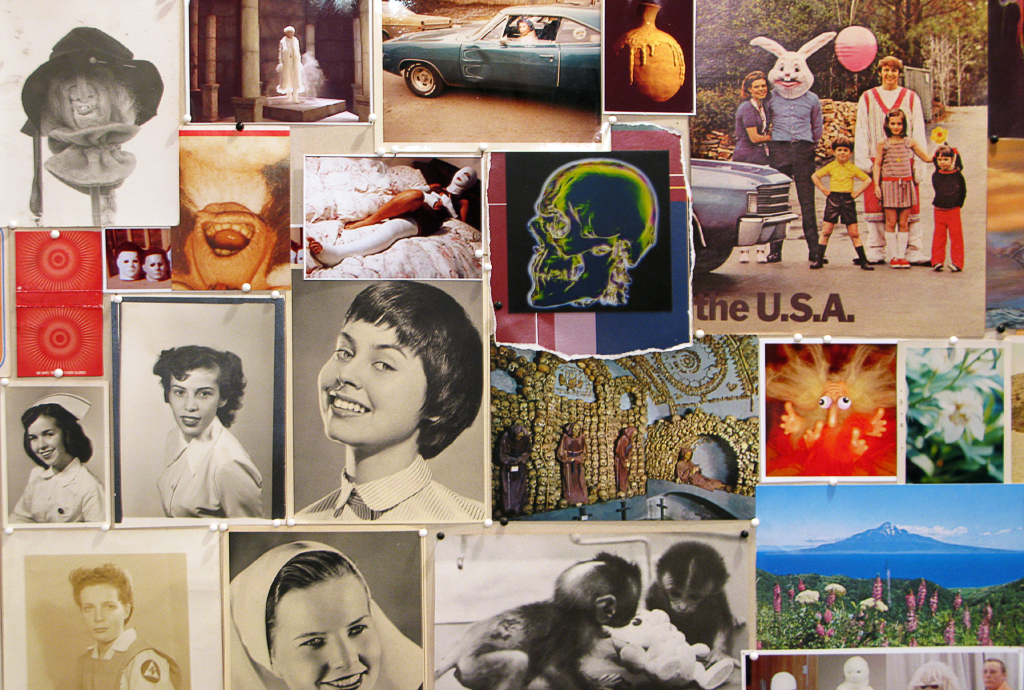
Matt Borruso studio detail, 2014.
Collecting, Culling, Constructing
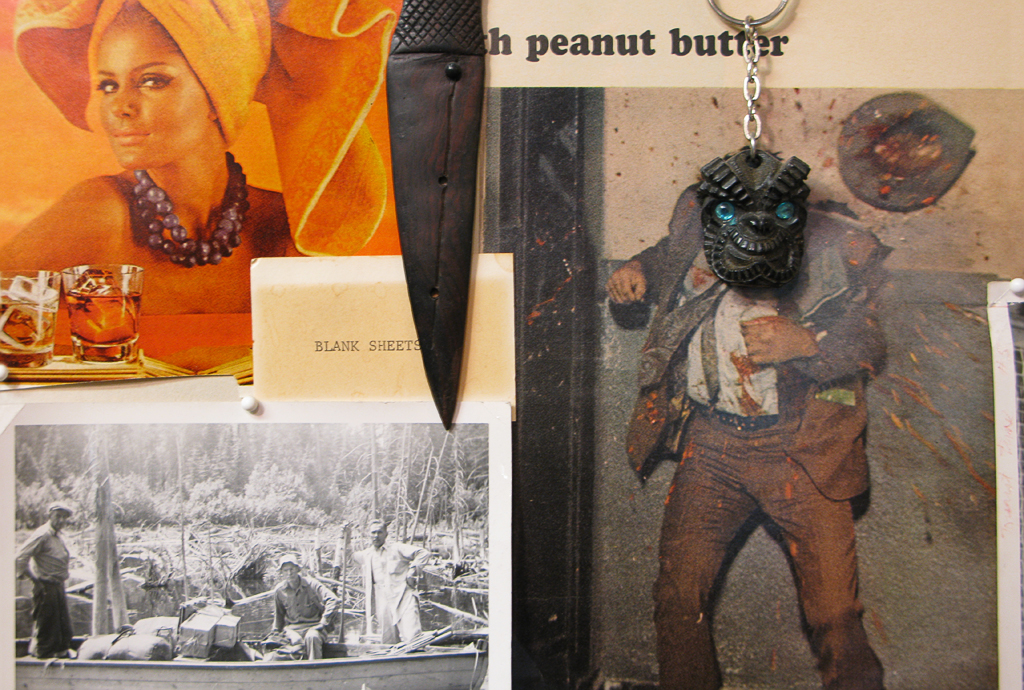
The element of looking is essential to my studio practice and has its roots in the scavenging or salvaging
that I’ve always done in my work with books and ephemera. My project is centered on the collection and
research of visual materials, and it evolves through a methodology that often uses collage as both
investigation and final work. My home studio houses my collections of books and objects, and through
them I construct a world, an alternate universe. This accumulation provides the space I most want to
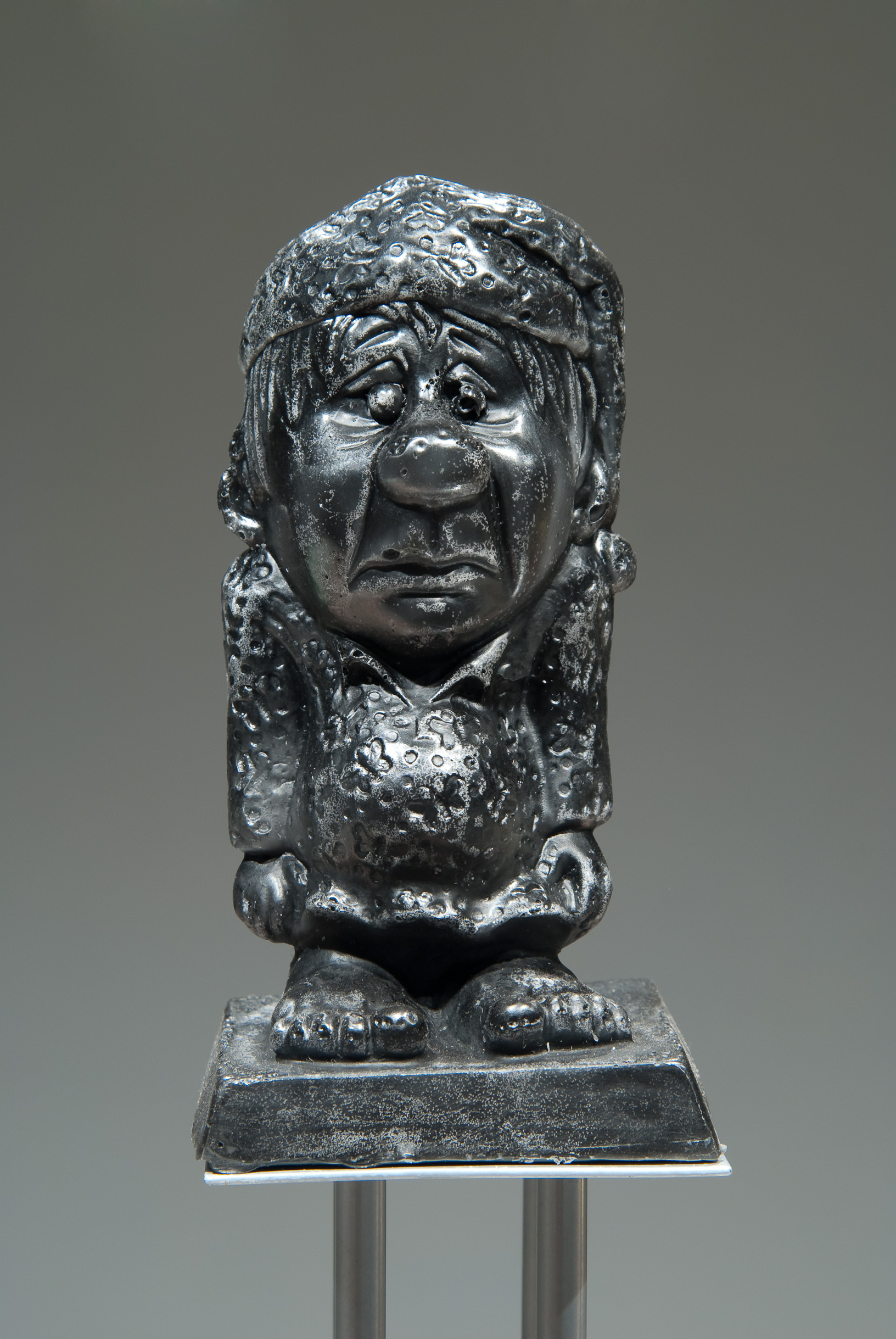
inhabit. It’s a collection of old and new things: books, artwork, trolls, color wheels, photo collections,
paper and ephemera, latex monster masks and props, ceramic mushrooms, holograms, underground
comix, images of cavemen, and old wood paneling, among other things. Outside, succulents grow from
cuttings and abandoned plants. It is a collection of things that are dead and alive. Collecting these
objects saves them and gives them life. Some of them are reconfigured into new things and new pieces.
Others just lay there, waiting.
My collections are an integral part of who I am. On one hand, these piles of materials are a requirement
for my work, as well as a comfort. The floor space, walls, and tabletops of my studio have been
completely given over to my collections for many years. On the other hand, these piles threaten the order
of my existence.
In 2012, I realized that I physically could not see my work through the clutter and spent six months
cleaning and emptying half of the studio. When I was finished, the space was split in two: one side to
look at things and the other side to work on things. This design strategy also applies to my book
collection and my relationship to objects in general. There is a constant tension between finding things
and ordering things, between wanting to acquire things and wanting to get rid of things. When I make
work now, I move a few objects from one side of the studio and place them in the other side of the
studio, where I try to see them in a new context—or, maybe more accurately, where I can look at them
out of context. Context can be everything.
Matt Borruso studio detail, 2014.
Fantasy of Modernist Order
While I can embrace the disorder of my collection, I also find myself seduced by the consumer-grade
modernism that everyone buys into, from the white cube gallery space to IKEA. This is the
contradiction: my constant desire to accumulate and amass is opposed in equal force by my desire to
liquidate and de-access. I imagine living in a geometrically perfect empty space, with my collections
offsite. They would be stored in an immaculate temperature-controlled warehouse equipped with every
sort of fetishistic storage and organizational option available: flat files for my decaying psychedelic
posters and Xeroxed punk rock flyers; archival storage bins for my moldy, rotten magazine collections;
rows of shelving and glassine cover protection for my books; and everything catalogued in a searchable
private database. Rows of tables, where I could examine the objects in my collections under perfect
lighting, would line the center of the room.
This fantasy of order, this fantasy of being able to see everything that has been collected, was briefly
realized with Scanners. The collections, which began as piles of boxes heaped up in basements and
hallways, became exhibits and display pieces. For a single month, we could see what we had been
doing while rummaging through flea markets, garages, and dumpsters for a year. Scanners was held in
a gallery space with white walls and dedicated lighting, a place where “things” were seen out of their
usual context and “value” was created through an isolation of the indeterminate object. In relation to
the flea market, Scanners occupied a space at the opposite end of the spectrum. The gallery setting
brought with it a different set of rules for determining value and a different set of expectations for the
viewer. On many occasions visitors were confused, unsure whether they were encountering an
exhibition or a store. This reaction was something we had not expected but of course welcomed.
Scanners: Building the Collection
For any book collector, finding a special book is a pleasure on par with owning that book. The
memories this creates are integral to the process. With Scanners, collecting was ramped up as Nick
and I spent three to four days a week, sometimes more, for a year buying books specifically for the
project (and this was separate from our primary work in the studio, teaching, writing, and bookselling).
We collected approximately four hundred boxes of books for a store that was open for just one month.
When asked if we’re planning another version of Scanners, I always try to explain the distinction
between pleasurable collecting and the anxiety of mass accumulation.
Two distinct copies, Look magazine, August 24, 1971.
Completists
My personal collection of books (which grows weekly) is an ambiguous and uncontrolled project. This
ambiguity is why I’ve never considered myself a true collector. In my mind, the true collector is someone
who must have certain objects, acquire complete sets, organize, and have one of everything. The
Internet promises the possibility of this completist viewpoint. It provides the capacity to obsessively
collect, document, and categorize in ways never before possible. From the Google Books Library Project
to the IMDb, there is a current belief in the possibility of actually completing every set, capturing every
loose book, uncovering every film—an idea that if it’s not searchable online then it doesn’t exist. One of
the intentions of Scanners was to question this belief and to suggest the limitations of these structures.
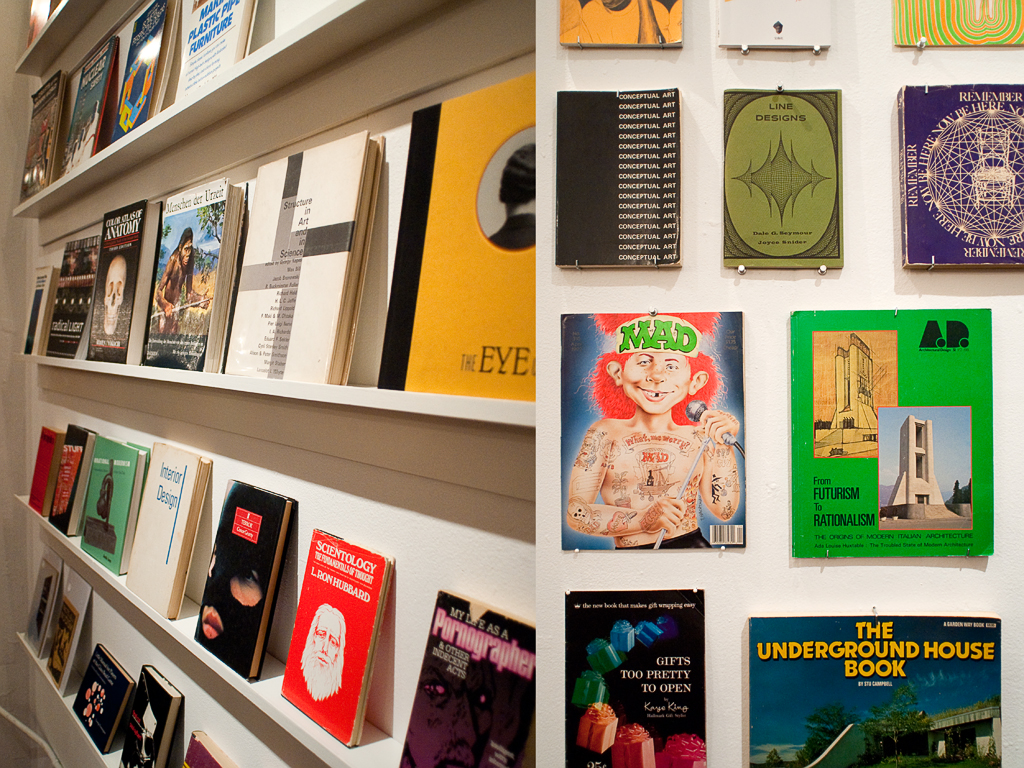
Scanners store interior, multiple views, 2011.
Scanners: Display and Duration
With Scanners, we wanted to highlight the books’ qualities through the use of display. We have always
sold our books in flea market parking lots, where display options consist of moldering card tables and file
boxes on the ground. There, it is understood that you might have to get on your hands and knees to find
the good stuff.
We came indoors to the gallery space with Scanners, and the display strategies of the flea market spread
out. While some of the store was arranged in a conventional fashion (books on shelves, spines out), at
least seventy percent of Scanners was devoted to face-out display. It was important that visitors could
clearly see the covers of the books. From our experience at the flea market, we knew that people were
interested in the books we had laid flat on the tables simply because they were more visible.
At Scanners, we built two sixteen-by-ten-foot tables—three hundred twenty square feet of table space for
face-up display—and then dedicated the entire front half of the gallery to face-out wall display. Some of
the books were permanently affixed to the wall, following the pattern of the source material arranged in
my studio, while a rotating selection of books sat face-out on purpose-built rails. A typical retail store,
where economic factors drive display tactics, might have difficulty surviving with the low
volume-to-square-footage ratio we had at Scanners.
We also liked the idea of a limited duration for this project. One of our ideas for what a bookstore could
be was unintentionally transposed onto the duration of a typical gallery show, and so the store was open
for a month, no longer. The idea that Scanners would be permanent was never our intention. We wanted
this to be an alternative to the typical bookstores that we knew.
Matt Borruso studio detail, 2014.
Scanners: San Francisco, 2011 and 2014
If we did want to open another Scanners—even for a single month—the climate in San Francisco has
changed so drastically since 2011 that it might not be possible. Certainly, we must have been two of the
last tenants to rent an affordable space on Valencia Street before the current real estate boom. The Mina
Dresden Gallery closed a few months after our project ended, and we were subsequently inundated with
emails inquiring about the availability of the space.
Since the completion of Scanners, Nick and I have continued our book businesses online while our
presence at the Alemany Flea Market has become more infrequent. Part of this is due to the physical
labor involved in the flea market project, but it also reflects a larger change. I started out buying and
selling books in purely physical spaces that were specific to small, local economies, such as the
Chelsea Flea Market in New York or the Alemany Flea Market in San Francisco. In these spaces, the
books that were bought and sold circulated primarily within the local communities.
With the rise of the Internet marketplace, our interaction with local communities of readers and artists
has diminished greatly. The majority of our books are now sold to people outside of San Francisco,
paralleling the reported exodus of local literary and artistic culture from the city. San Francisco is no
longer the used book Mecca it once was, and rising real estate costs have made projects like Scanners
prohibitive. Nick and I continue with our scavenging work in a climate of market rationalization of
objects, and we continue to find amazing things. There may come a point, though, when everything has
been found and catalogued…and there is nothing left of the physical world but the scans.
Notes:
1.Editorial staff of Sunset Books, Sunset Ideas for Storage in Your Home (Menlo Park: Lane Book
Company, 1958), 4.
2. Walter Benjamin, “Unpacking My Library: A Talk About Book Collecting,” in Illuminations: Essays
and Reflections (New York: Schocken Books, 1969), 60.